
One of the two LFAs Gazoo Racing entered at the 2009 Nürburgring 24 Hours did not finish. The team described the experience as invaluable.
That is not a reframing. The mechanical failures were precisely the point. The Nürburgring, a 25-kilometre stretch of public road and purpose-built circuit in the Eifel mountains, subjects cars to more varied and sustained stress in a single lap than most test programmes deliver in a month. Fluctuating temperatures, changing weather, sustained mechanical loads that push components well beyond anything replicable in a controlled environment. For Gazoo Racing, the DNF was data. Data that a test bench could not have produced, and data that fed directly back into the LFA's production programme before the car reached its customers.
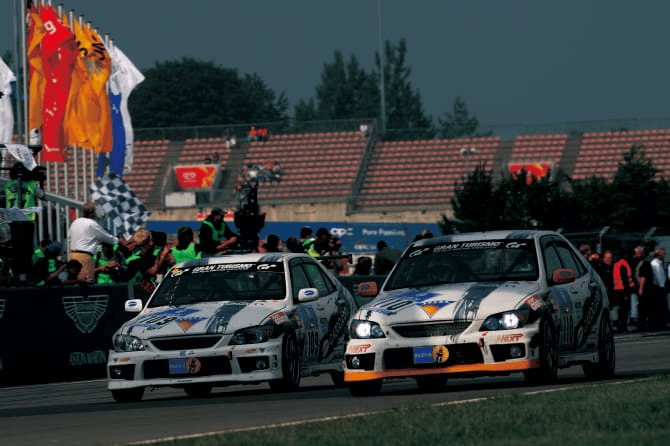
Image: TGR
The team that first went to the Nürburgring in 2007 did not go as Toyota. Gazoo Racing's debut was unofficial: a group of Toyota engineers who believed competition could serve a purpose beyond spectacle. No factory mandate. No marketing brief. The goal was to demonstrate that Toyota's engineers could stand alongside the best in the world while finding out, in conditions no laboratory can replicate, what the cars they were building could not yet do. Results were secondary. The hypothesis being tested was whether racing could directly inform the vehicles Toyota made for people who would never see a racetrack.
By 2009, that hypothesis had become a methodology. With the LFA's development formally linked to the Nürburgring programme, the failures that year produced specific, actionable findings: component tolerances, thermal management issues, durability gaps that would have taken years of road testing to surface. Applied to production, they accelerated the car's development in ways conventional testing could not have matched. The lab shows you what you planned for. The Nürburgring shows you what you forgot.
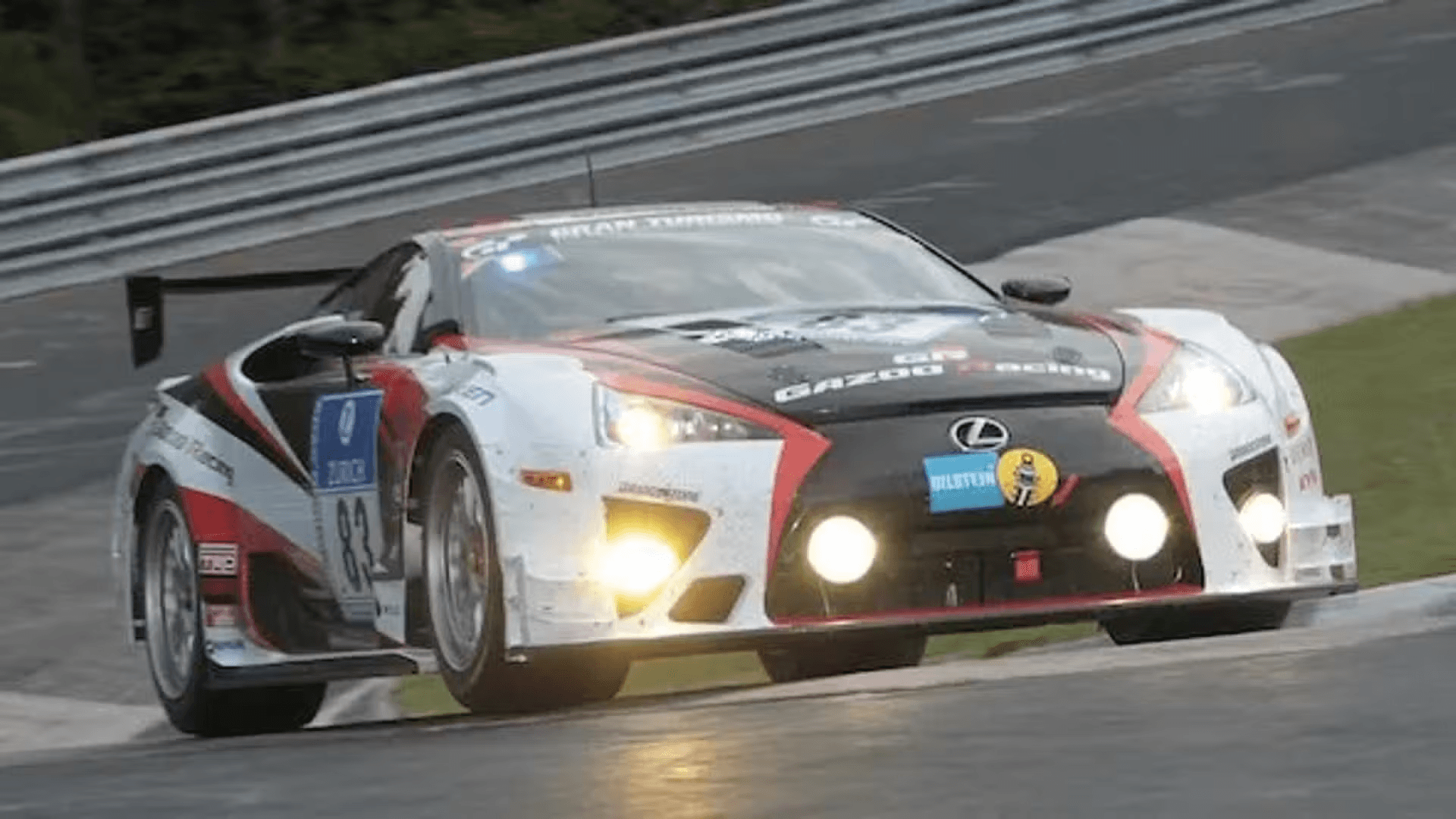
Image: TGR
The programme built from there. A class win in 2010. The following year, both LFAs qualified fast enough to earn the "Blue Flash" lights reserved for the quickest cars at the event, a mark of genuine competitiveness rather than mere participation. By 2012, the entry had expanded to include the Toyota 86 alongside the LFA, producing class wins across both cars. 2013 was more complicated. Aero improvements made the cars faster. Handling issues made them harder to control. The team's own notes from that season described it as a reminder that making a car faster and making it better are not the same instruction, a distinction that sits at the core of the development philosophy. Every setback narrowed the gap between what the cars were and what they needed to be.
Gazoo Racing was not alone in working this out. Hyundai built its entire N performance division around a similar principle. The name references both Namyang, Hyundai's R&D centre in South Korea, and the German circuit, a deliberate statement of intent. Pre-production N prototypes now compete in the Nürburgring 24 Hours as a validation exercise, subjected to conditions that stress next-generation engines and powertrains in ways internal development programmes cannot cheaply replicate. The philosophy Gazoo Racing had arrived at through practice, Hyundai embedded into the structure of a business division from the start.
Porsche took a different route to the same conclusion. Andreas Preuninger, who oversees the GT Model Line, has made the point in various forms over the years: the engineers who design Le Mans-winning race cars also build the 911 GT3. There is no handoff between departments at Porsche because there is no meaningful separation between them. The knowledge does not transfer. It is the same knowledge. Alpine works in a related register, drawing from Formula 1 telemetry to develop energy management systems that inform road-car engineering, the transfer rarely direct, always cumulative.
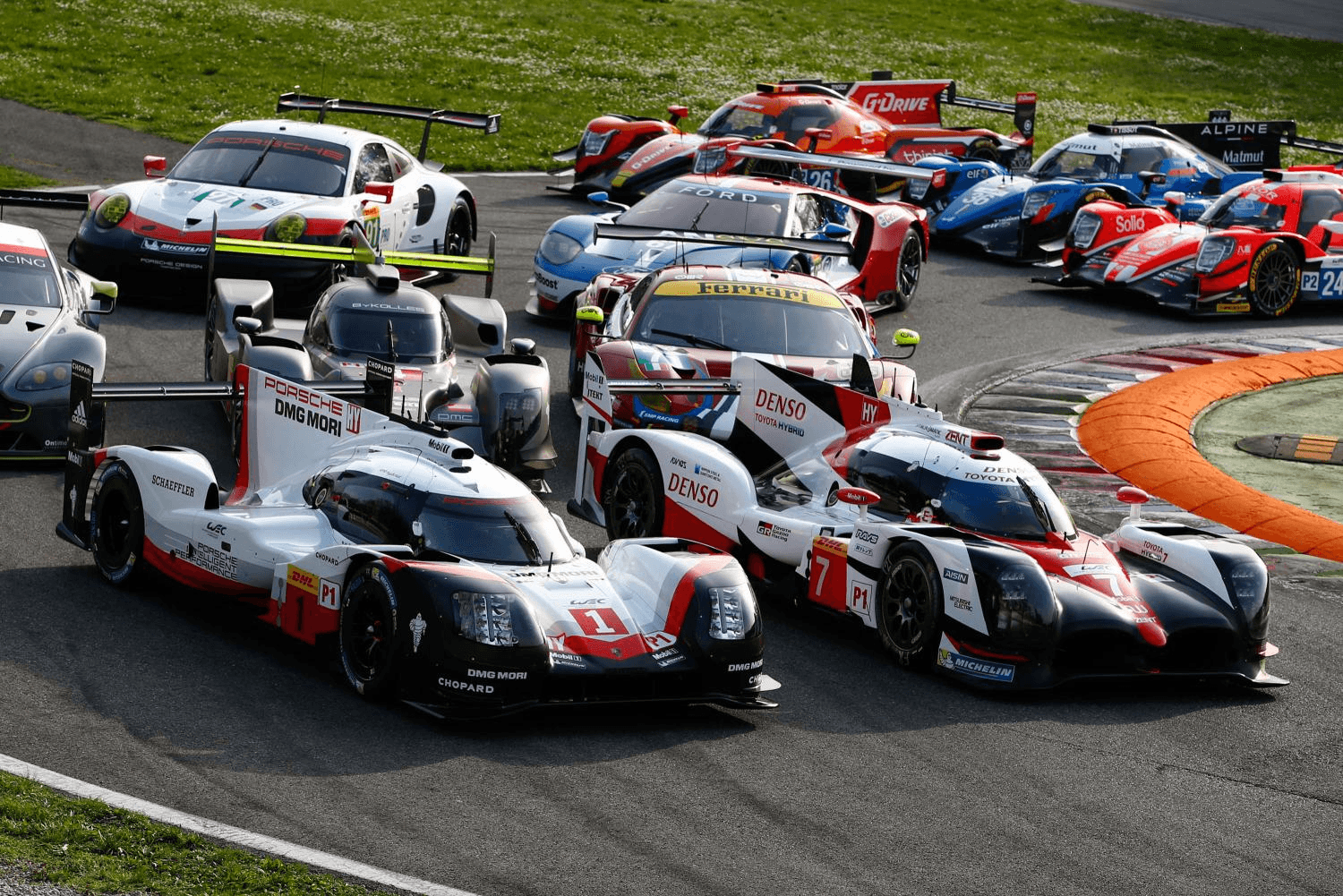
Image: 24 Hours of Le Mans
What connects these programmes is a specific view of what motorsport is for. Not the view that says racing builds brand visibility, which it does. Not the view that says it generates marketable technology claims, which it can. The view that says competition, particularly endurance competition, exposes failure in a way that controlled testing cannot, and that failure is the most useful information a development engineer can collect. You can simulate most things in a lab but you cannot simulate twenty-four hours of a driver at the limit, in rain, cold, and traffic, with engineers watching what degrades and writing it down.
But the philosophy has not yet been asked to answer the most important question facing it.
The GR Yaris, the GR86, the GR Corolla: these are products of a development model built around mechanical failure and physical component refinement. The Nürburgring reveals what a gearbox cannot take, what a suspension geometry does wrong at three in the morning in wet conditions, what a brake component looks like after hours of sustained loading. The value of the test lies in its irreducibility. A cracked subframe cannot be updated over the air. A failed wheel bearing cannot be patched with a software release.
A growing proportion of what defines a modern car's character, its responses, its driver interface, its energy management, is now defined in code. And code can be changed without racing anything. Whether the Nürburgring model retains its primacy as a development environment, as vehicles become increasingly software-defined, is the question Gazoo Racing has not had to answer yet. The physical variables that make the event irreplaceable still exist. The question is whether they will remain the primary ones, or whether the next generation of development engineers will build their most important feedback loops somewhere else entirely.
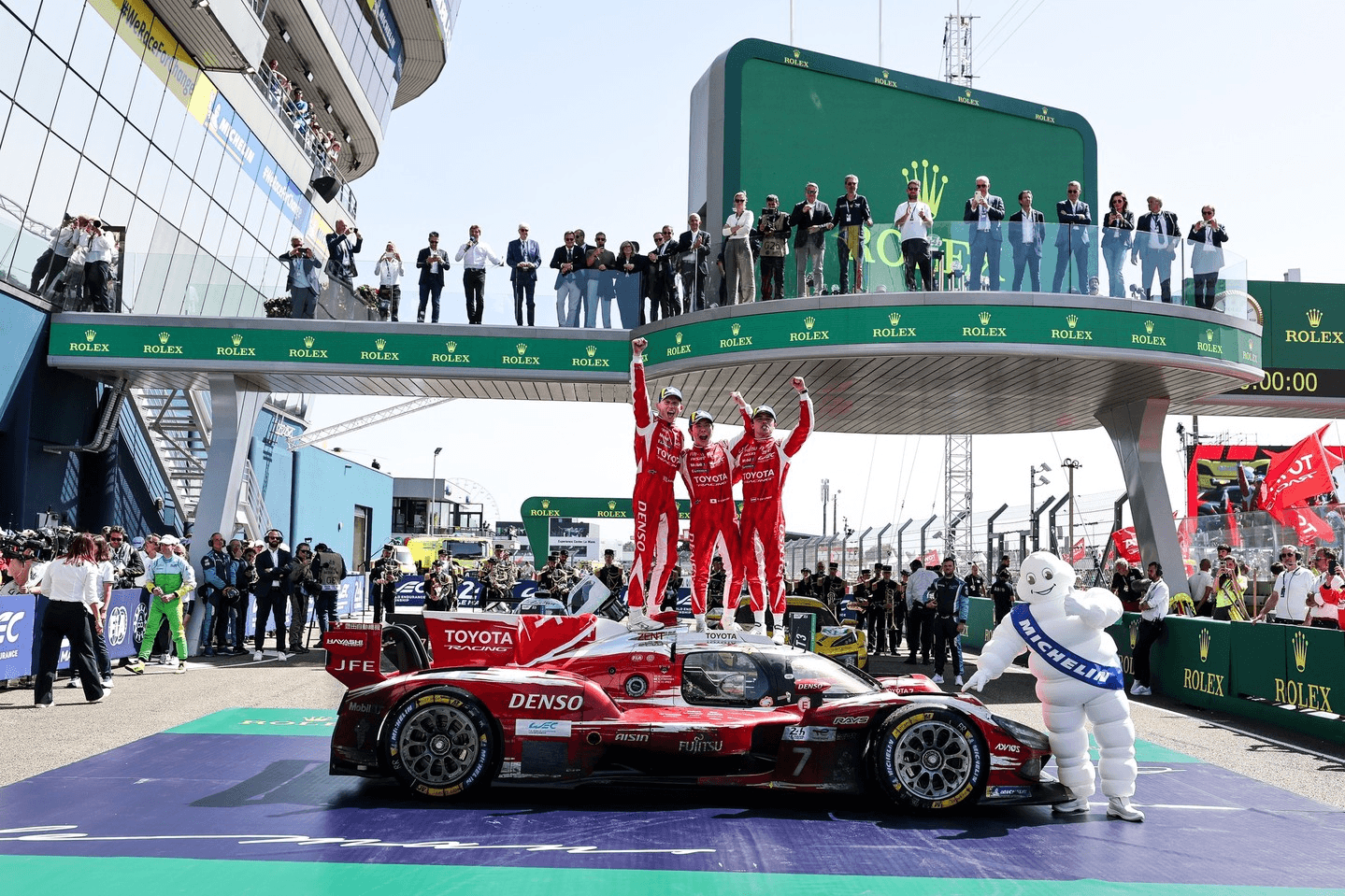
Image: Toyota Racing (@toyotaracing.wec)
What is not in question is what the original philosophy produced. Gazoo Racing went to the Nürburgring in 2007 as an unofficial group with an idea. The GR programme has since won the World Rally Championship and the World Endurance Championship, delivered three road cars with genuine performance credentials, and contributed to a shift in how manufacturers across the industry think about competition's role in development. The 2009 DNF, the car that stopped, was part of that.
Invaluable, as the team said. They were not being diplomatic.


