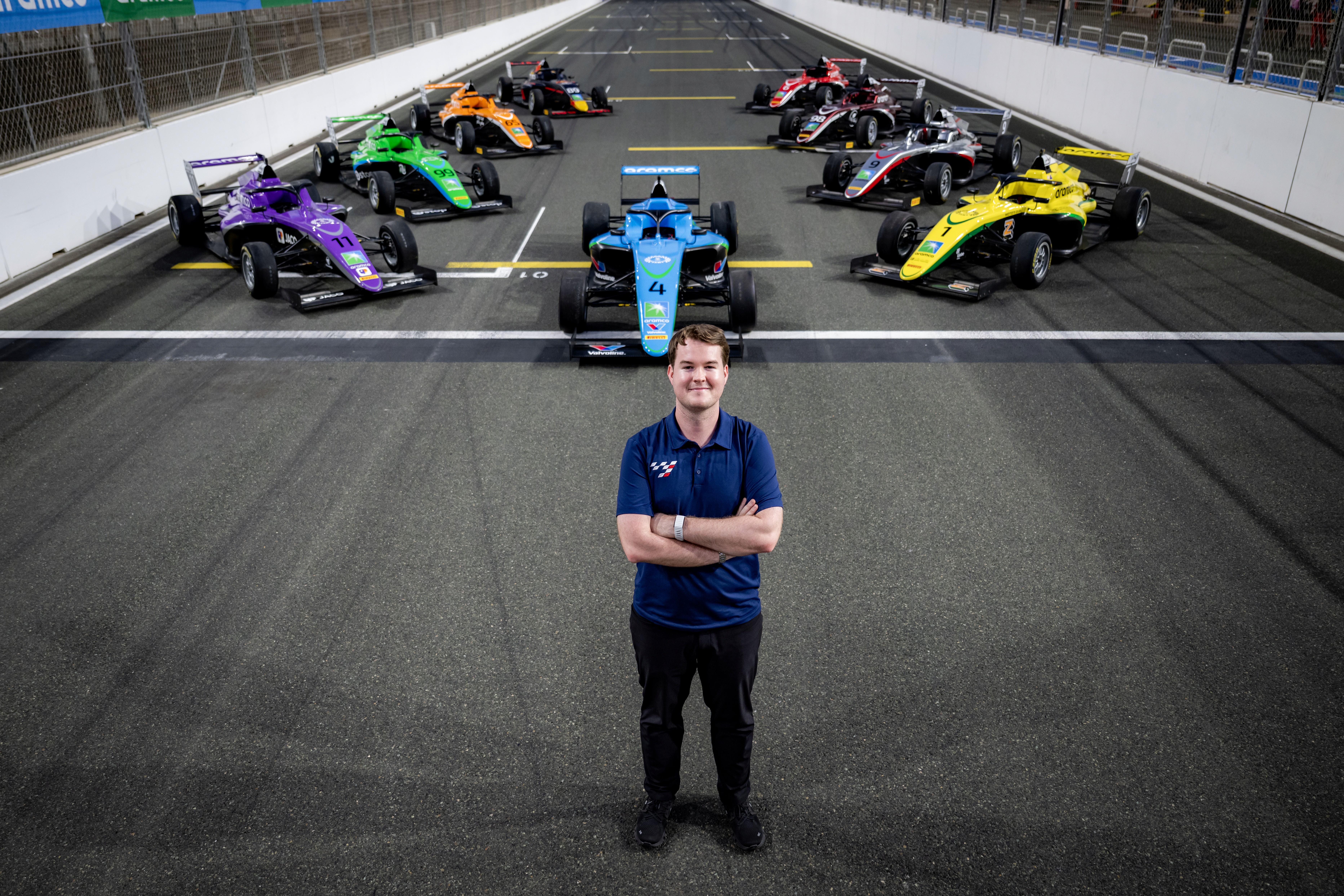
Five years ago, Pierre Herrenschmidt arrived in Saudi Arabia as the country accelerated its ambitions within global motorsport. Since then, he has worked across some of the kingdom’s biggest sporting properties, from Formula 1 Saudi Arabian Grand Prix and the Dakar Rally to the World Rally Championship and SRO GT events.
Today, as Head of Commercial at ALTAWKILAT Motorsport, his focus sits on the Aramco Formula 4 Saudi Arabian Championship and the wider challenge of building a sustainable motorsport ecosystem in the region. From grassroots STEM initiatives to championship logistics and driver development, Herrenschmidt’s role sits at the intersection of sport, education and commercial growth.
In conversation with Hairpin Media, he discussed Saudi Arabia’s motorsport expansion, the future of regional racing in the Middle East, and why racing teaches people to stop postponing things.
Hairpin Media: Could you briefly introduce yourself and share your journey within motorsport?
Pierre Herrenschmidt: Sure. So, thank you for having me. My name is Pierre Herrenschmidt. I'm the Head of Commercial at ALTAWKILAT Motorsport, with our primary focus currently on the Aramco F4 Saudi Arabian Championship.
For the last five years[,] I've been in Saudi [Arabia], working primarily on the mega IPs with the Saudi Motorsport Company, including Formula 1, Dakar Rally, World Rally Championship, SRO GT, Xtreme, and quite a few other events in the kingdom. And recently moved to ALTAWKILAT Motorsport, who's the promoter of this championship and a few more going forward.
HM: What does your current role involve on a day-to-day basis?
PH: Primarily, I'd say the role is focused on the Formula 4 Championship. We have our base mechanics working on the cars year-round, and then we obviously work with engineers and teams from around the world as well as locally with the Saudi Automobile and Motorcycle Federation. So, on a day-to-day basis, it's really, you know, working with our commercial partners, sourcing new commercial partners, engaging with drivers, managers, and up-and-coming talent around the world and as well in Saudi Arabia.
And then purely on the Formula 4 Championship, ensuring that we're on track as we have a decent logistic operation between circuits, obviously flights, hotels, and events to run during our season in Q4. And then throughout the year, really, a focus on engaging with young students, young, aspiring engineers, engaging with them through STEM competitions, through talks, discussions at universities. And as an example, last night, we were at the STEM Racing Regional Finals in Jeddah and really ensuring that we're active in education year-round because our focus is not just on-track with drivers but also off-track in growing the ecosystem.
HM: What does a typical race week look like for you?
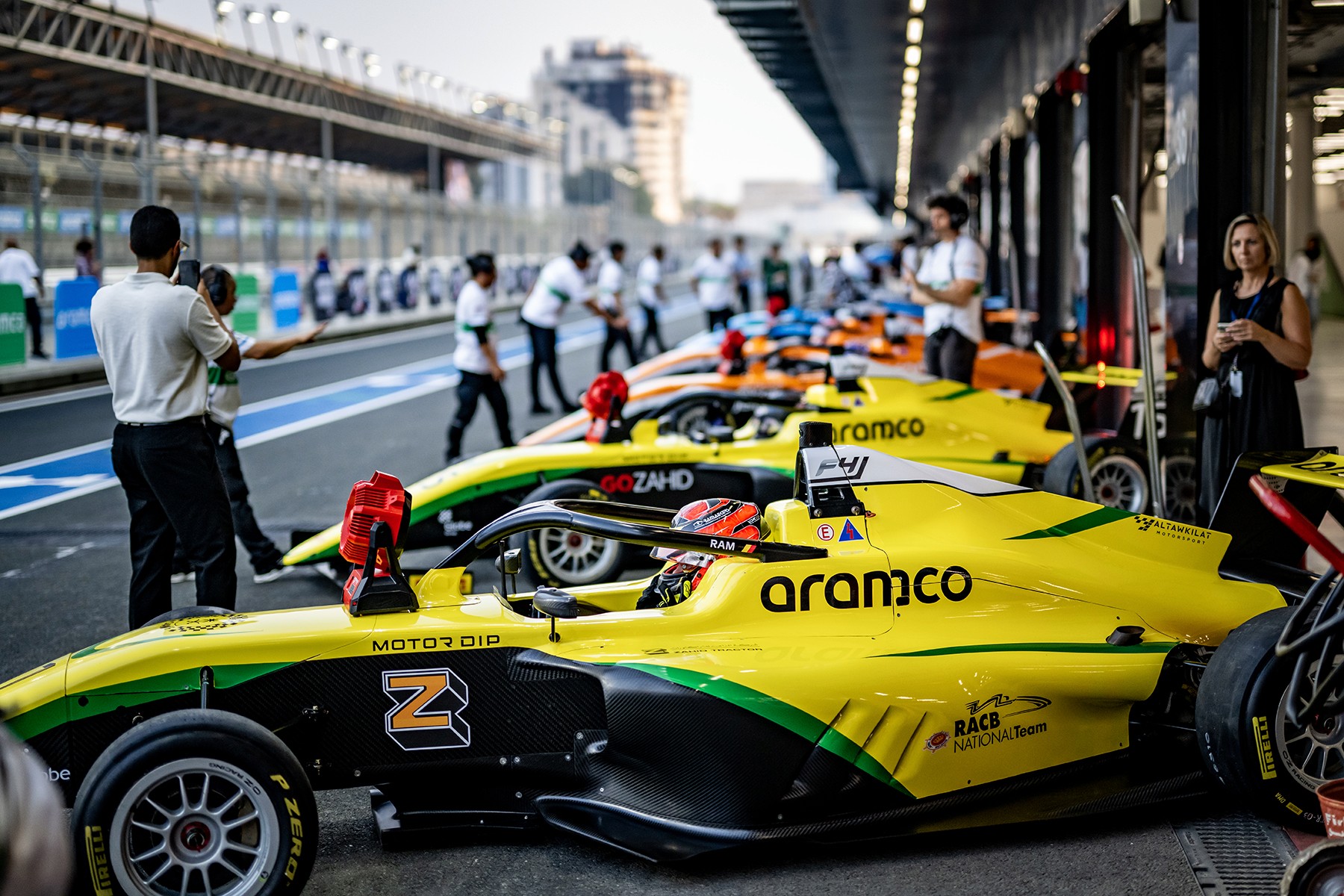
PH: We're running a crew of around 50 people between the sporting team, the federation team with their officials and marshals, and then on our side between commercial, marketing, broadcast, and then the race mechanics, operations, tyres, fuel.
We get to the track normally quite early. We have the advantage in the Middle East of racing at night, so sometimes early would be late morning and then we would work late into the night. So, on a typical night race, we'd get to the track around 10, 11 a.m. Obviously, the crews will be in the garages preparing the cars, ensuring everything's ready, the drivers will arrive, and then from my side, ensuring everyone is briefed across the content capturing, across who's coming from the partner's side.
We're also very keen to have school visits and trips, so normally we'll schedule those for the early afternoon before things really get busy, get people around the garages learning about the car and what we're building. And then really, I don't get too involved in the driver side of things, but they'll have their briefing and then they'll be sitting with their engineers and managers with our free practice, qualifying and race. Then normally, [we have] two support events between those which we, in 2025, created a time attack championship for called Motomania, ensuring that on all our race days, we have as many hours of track content as possible, both from an accessibility perspective to get in new categories, but also Formula 4 is normally a support event to a bigger event, and currently in Saudi, it's kind of the event in its own right, which we're building other support events around, and something that maybe can change in the future too.
HM: With multiple Formula 4 championships globally, how does Saudi F4 plan to stand out?
PH: Every championship has its unique characteristics. The French Formula 4 and the Saudi are the only two in the world that are mono operated. We really have a few differentiators. I think the Middle East tracks are all grade one FIA circuits that we've raced on so far, and we will continue to do so. From a driver perspective, it's always interesting and a different kind of level than other championships. From the experience perspective, we're lucky in the Middle East that as we have so many F1 races and then F1 Academy support races, it's good preparation for drivers who are targeting F3 and F1 Academy as their next step.
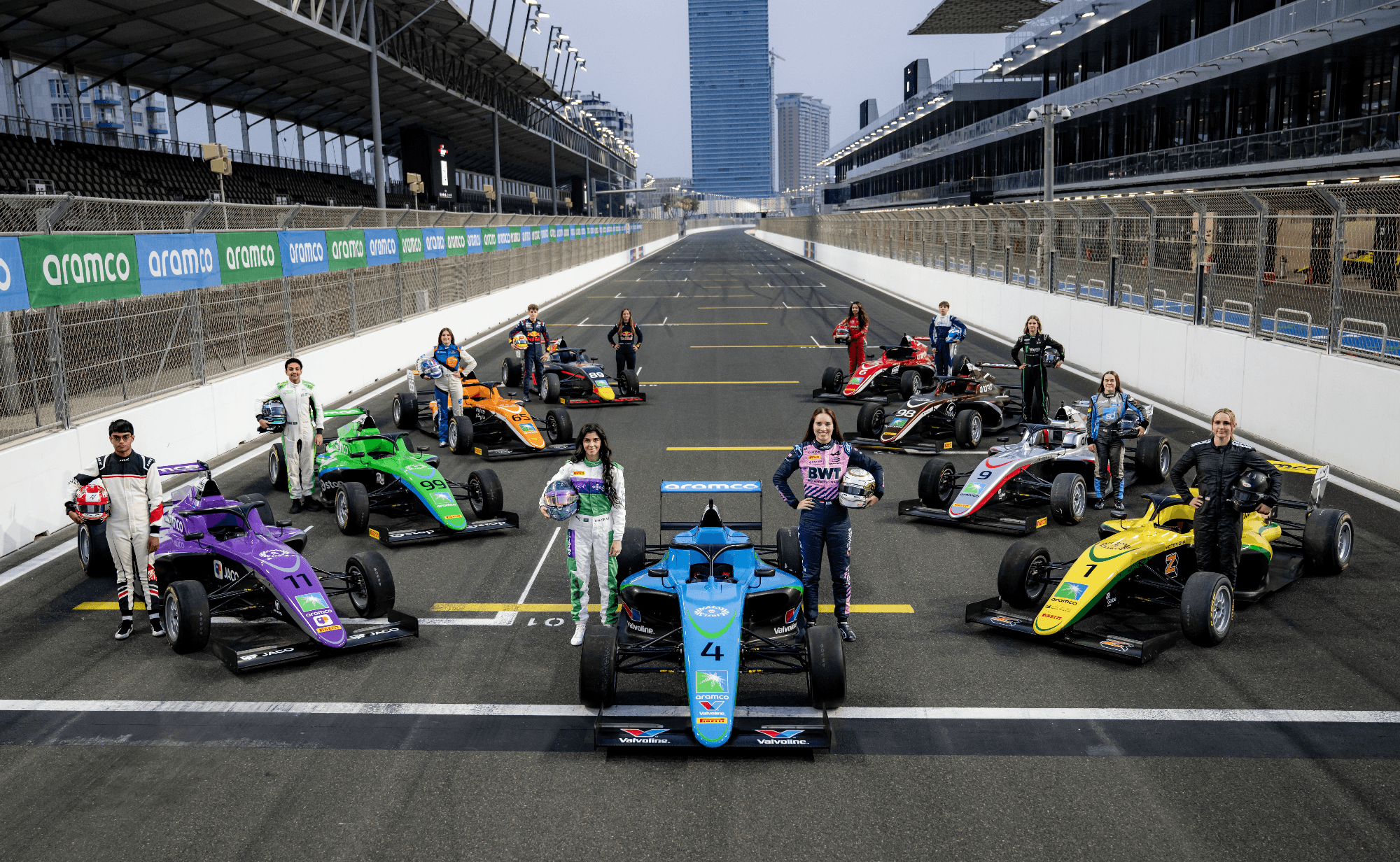
And then, we are in this unique position where we're both the team and the promoter. So, in another championship where you would sign up with a team, they would be responsible for developing your talents, and you may be working with three or four other drivers. In our championship, everyone is in one so-called organisation.
From the media training workshops that we put on to help them build their brands from that early stage, to the shared content libraries from all of our marketing, PR, and broadcast efforts, as well as then to the access to onboard cameras and data from all cars participating, we're able to provide a maybe higher level of personalised service and access to training and development.
I think the different championships are really also segmented by the time of year. British F4 kicked off [in April] in the UK, and they'll obviously be running from now through to the summer and down into Q3. And from our perspective, of course, that's not the best time to be operating in the Middle East with the weather. We have that kind of primal time in Q4 when things start to get very rainy, cold and wet in Europe, where we can then ensure that we're offering good conditions for drivers to come and race in.
HM: Saudi Arabia’s motorsport landscape has expanded rapidly in recent years. How do you see that growth evolving?
PH: Saudi's seen tremendous growth in the last five to seven years with all those IPs that I outlined earlier on. Right now there's been a huge development in, if we take one side of it, the fan base, where they've seen consistent year-on-year growth in fans attending.
Now that I've come more to the education side, I've been really impressed and surprised with the amount of Saudi students who have actually started their own motorsport clubs at universities, not only in Jeddah, where we have the current F1 circuit, but even Riyadh. And these students and universities are participating in multiple global STEM challenges that focus around whether it's electric, ICE, or solar-powered vehicles.
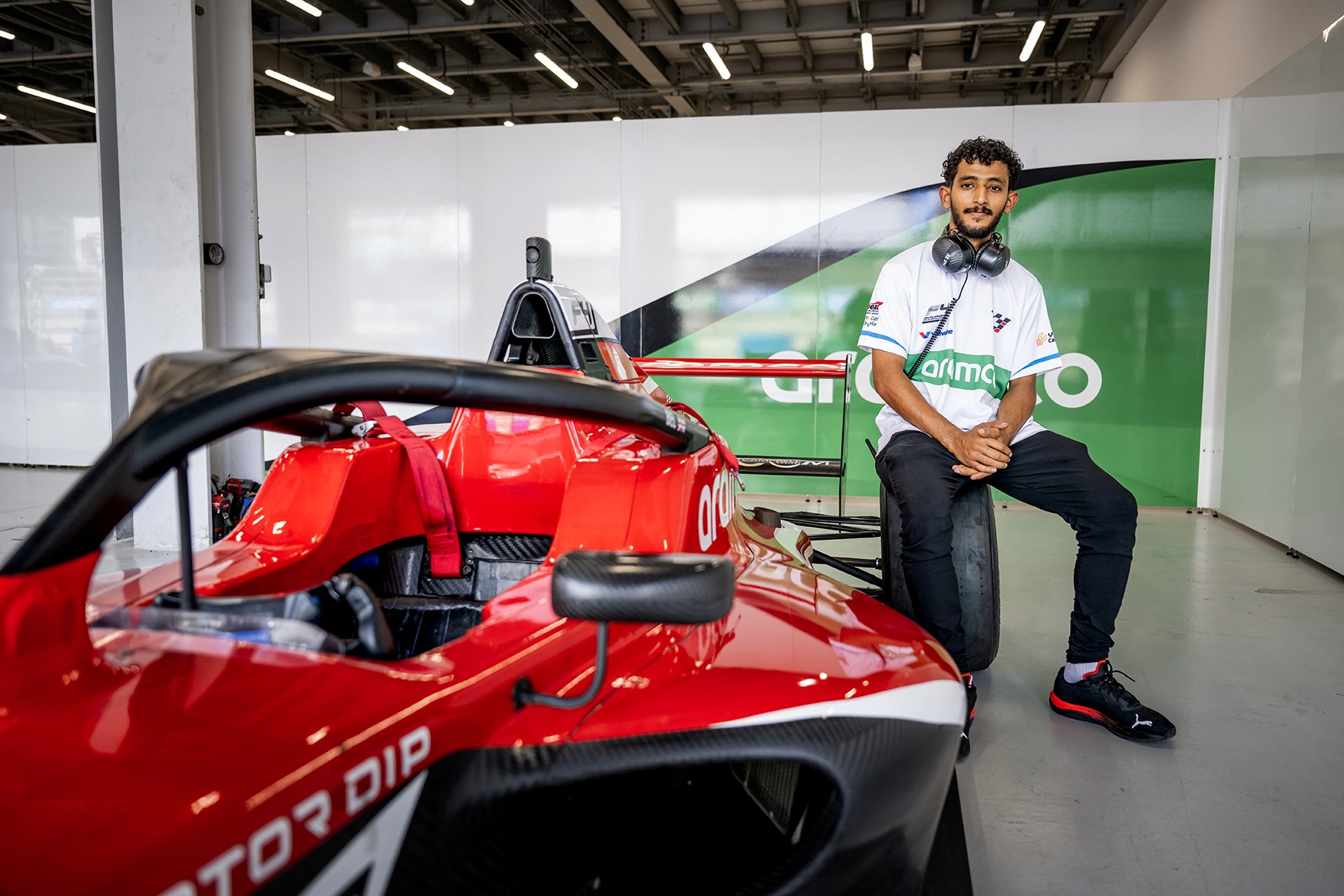
I think on the fan base perspective, Saudi has an incredibly young population too, who's very well connected into digital trends and growing sports. The fan base is growing, the participation, and if we call it more organic participation, is also growing.
On the other side, you obviously have the driver development and the off-track talent development. And we're in a great position where we're blessed to have an incredible array of landscapes, from green hilly mountains in the south to deserts, rocky terrain, volcanic terrain, which has always made rallying a huge sport here.
In the national championships, we have eight disciplines, rally, time attack, drag, drift, autocross, karting, and obviously now Formula 4 as the national single-seater championship. And for us, it's working with the federation, increasing accessibility, increasing the diversity of participants.
There are kind of two pillars there. The first one, which we're really proud of, is that as we're model operated, we sell our sponsorship across all cars, and we almost sponsor the cars ourselves. Last year for a five-round championship, we were offering it at $150,000 all-inclusive, which is probably the most competitive price on the market. This year, we'll be adding a sixth round to be a championship, and there will be a marginal price increase to reflect the additional track time, but benchmark globally from an accessibility perspective.
We all know motorsport is expensive, but we're still providing it at an extremely competitive rate and format. And then lastly, we're also proud to start as we're building ground up with a kind of push on both female and male drivers.
Last year in our final round, we had eight female drivers and six males, which was actually the first time ever that an FIA mixed event had a majority female grid. And that's something, whether it's on the STEM side, the education side, or the driver development side of karting, we'll continue to support.
It's also worth noting that actually yesterday when we were at this STEM racing competition, the fastest car was by an all-female Saudi team, which was really great to see. Because I think when you're building something from the ground up, you have a chance to build it properly and grow it right from a young age, which hopefully will create a more inclusive future.
HM: How do you see regional motorsport in the Middle East developing over the next few years?
PH: I think we need to kind of go up one step to the ALTAWKILAT Motorsport, which is the promoter and who I work for. And ultimately, we understand that as we're growing this whole ecosystem, F4 won't be the only focus. And we need to ensure the stream of Saudi drivers coming in right from the karting level, as well as then, and when you talk about sustainable motorsport series, the gentleman, gentlewoman driver sector hasn't really been established.
Whilst that's grown in some of the other regional countries, what will be really important for a sustainable motorsport ecosystem in Saudi is Saudi-based championships, Saudi-based series, leagues, so on and so forth.
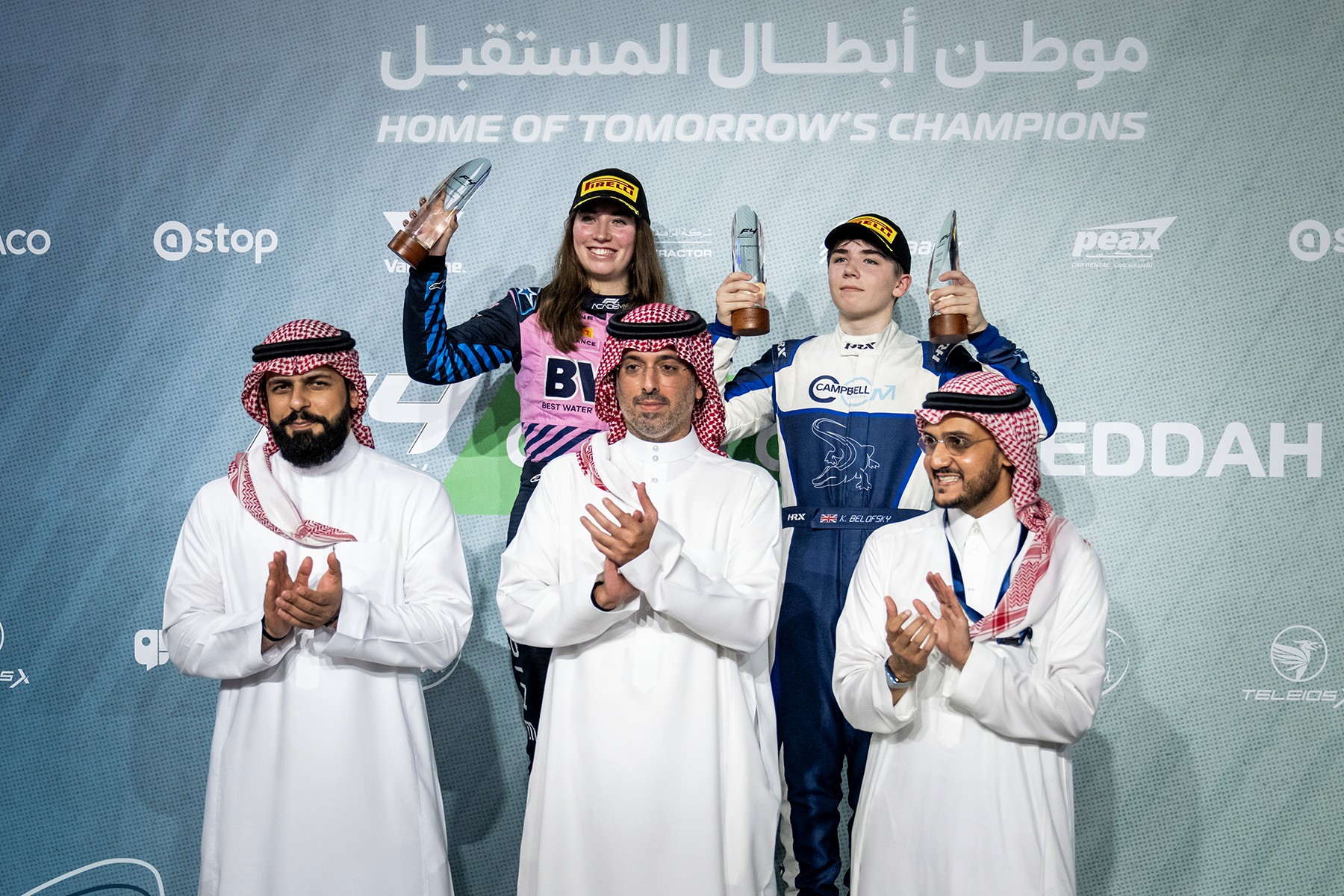
Our bigger vision is really just developing the sport, ensuring that whether it's on the recreational side, or the entertainment side, and then after F4, if they don't continue to ladder, we're able to work with regional partners and work with the tracks, as you mentioned, Qiddiyah growing in Saudi, to really ensure that those programmes are based in the country, and that Saudis are able to drive and participate.
The other piece to now with Saudi having two FIA, you know, Grade-1 homologated tracks, within a few years, will be the development of regional motorsport, which I think is probably one of the most untapped opportunities between Dubai, Abu Dhabi, Bahrain, Kuwait, Qatar, Jeddah and Riyadh, you're going to have a really exciting opportunity to build calendars of regional racing between great iconic tracks, as well as cities.
The catchment zone of the Middle East has a huge amount of the world's population within a six to eight hour flight, when you look at the Indian market, the African market, and then obviously European. And so I think that opportunity to really own, in brackets, global motorsport between October and April is something that can really be worked on between those countries.
HM: What advice would you give to people looking to build a career in motorsport?
PH: I think the earlier you can start, the better. And the focus doesn't always need to be motorsport. I actually participated in STEM racing when it was called F1 in Schools. And those same challenges and learnings that took place in high school, I've carried with me and I've realised now retrospectively that a lot of it is the same. It's just the numbers are very different and the scale of the projects are different.
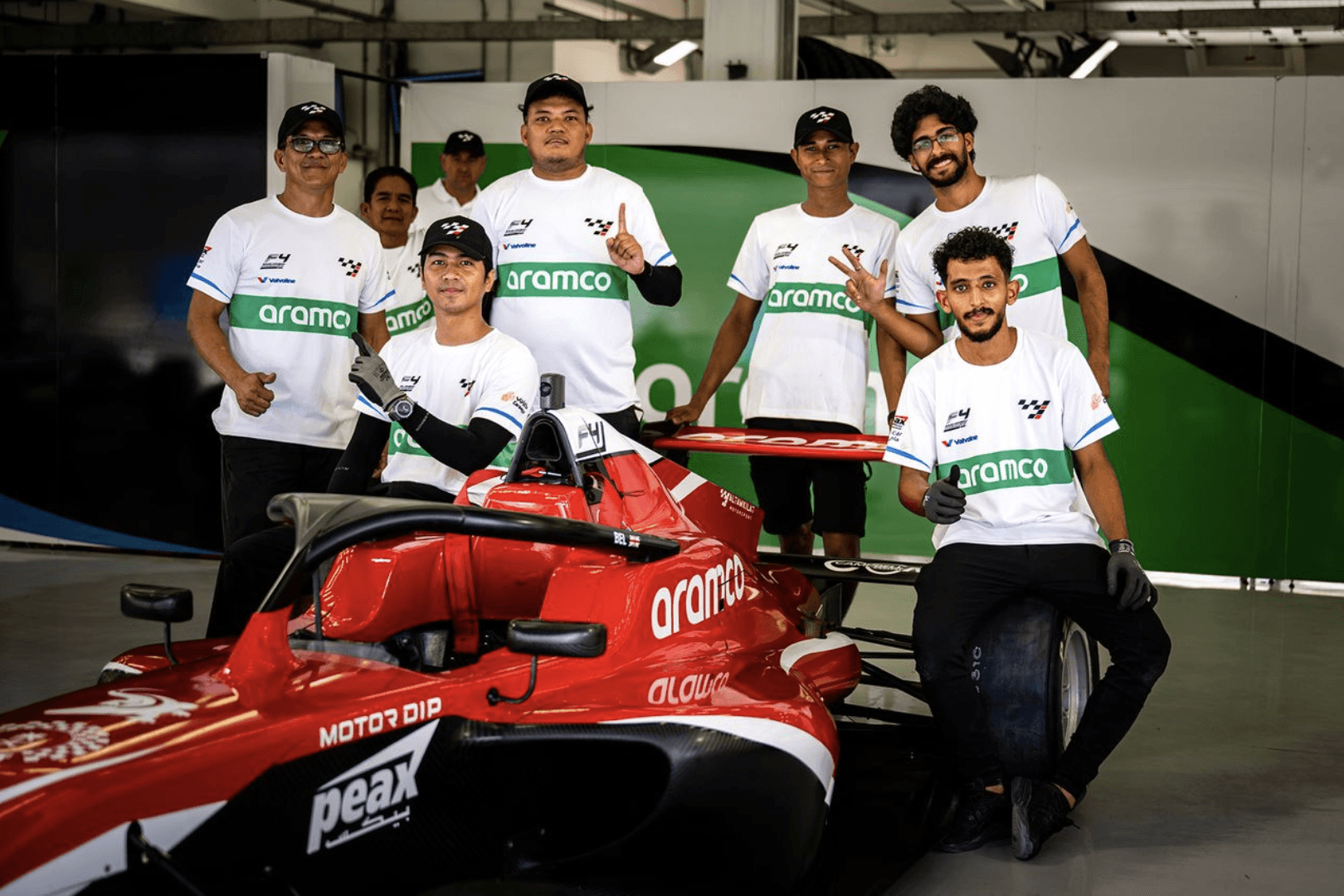
I think getting experience, whether it's on the event side, when it comes to event management, and event delivery, versus the racing side, which is probably a bit harder to get into, it's a bit more niche. You can start in one and transfer to the other. And after five years of working on event delivery, I was able to move into now kind of championship and then racing delivery.
That opportunity to move and cross over is always there. So if you can get something, but it's not perfect, I think it's always worth gaining any experience as you never know what can then come next. I'd say punctuality and detail is ever more important in racing.
Everything runs extremely to schedule, so just that self-discipline to build good habits is really important.
And then lastly, I'd say one of the biggest lessons of now working for a race team is just the importance of doing things now. When you have something that comes into your mind that you forgot to do, don't push it to tomorrow, do it now. And that's probably been one of the biggest learnings, let's say, in the mindset of how people who work in racing think differently to others.
Throughout the conversation, Herrenschmidt returned repeatedly to the idea of building, whether that meant developing young drivers, creating opportunities for aspiring engineers, or laying the foundations for a regional racing ecosystem.
All images belong to ALTAWKILAT Motorsport


