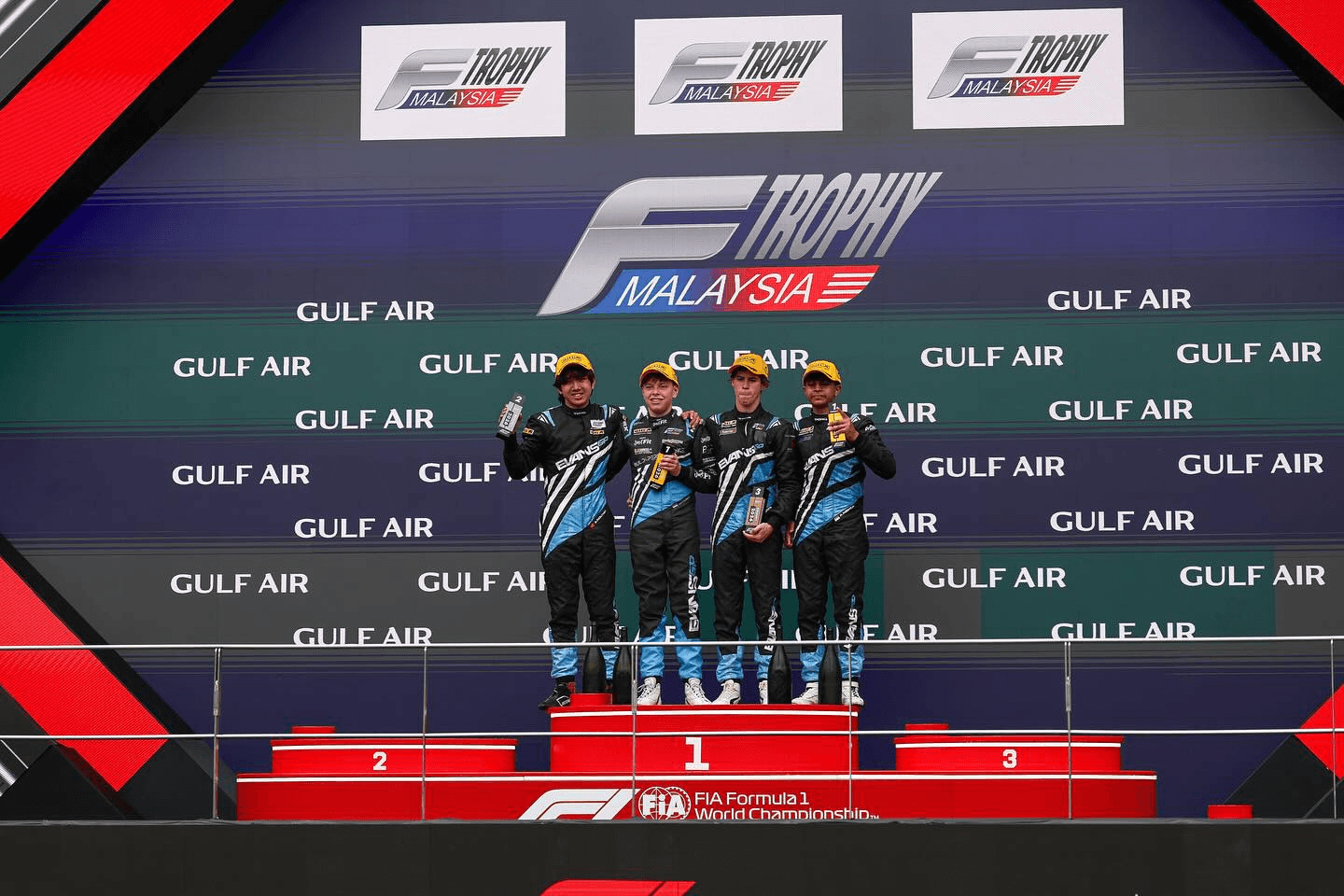
Cougar Motorsport, a Delhi-based motorsport event organisation company, was founded by Ashish Gupta in 2009. Having spent over a decade in the banking and finance industry while simultaneously participating in rally events, he combined his professional experience with a passion for motorsport to establish the company. Initially focused on luxury self-driving experiences, Cougar Motorsport organised events such as the Desert Dash and the Himalayan Dash. In 2014, however, the company ventured into the world of extreme off-roading with the introduction of Rainforest Challenge India, and it has since been hosted annually in Goa.
In a recent conversation with him, he revealed how RFC came to India, the organisational challenges that accompanied it, and how it has transformed off-roading in the country.
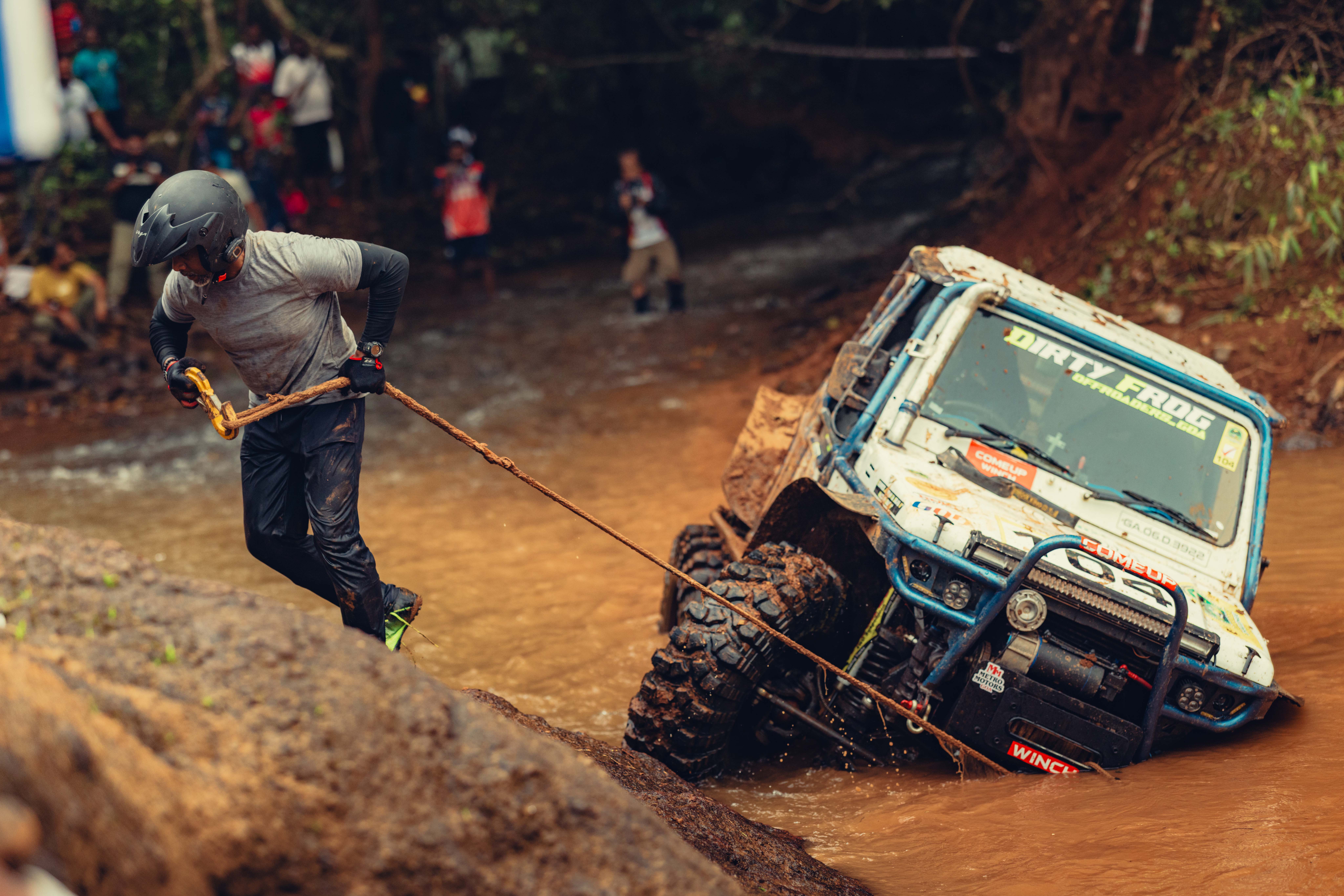
The decision to bring RFC to India was influenced by the founder, Mr Luis J. A Wee, when Gupta met him at the Malaysian event. He brought up that there were chapters in countries like Thailand and Sri Lanka, so why not India?
What followed was a commitment to making RFC India the flagship extreme off-roading event, with the original Malaysian edition serving as an ambitious benchmark. However, this journey was not without its fair share of challenges, the most prominent one being the common caveat that attaches itself to niche motorsport on a global scale: funding.
Anybody associated with motorsport or off-roading would have an appreciation for what an event of this kind takes to organise.
The operation of RFC in India relies heavily on sponsorships and participant fees and hosting permissions provided by the government of Goa. As Gupta pointed out during our conversation, motorsport is relatively small in a country that diverts most of its attention to sports like cricket and football, and off-roading is an even smaller niche within it. Securing and retaining sponsors willing to invest in this space continues to be a challenge.
When asked about what advice he would give himself if he could go back in time to the inaugural edition of RFC India, he stated that he would advise against trying to recreate it on the same scale as the mother event in Malaysia. Gupta attributed the event’s success in Malaysia compared to other international chapters to backing and cooperation. RFC Malaysia functions as a sports tourism event and receives a tremendous amount of support from the government and appeals to a very large community, garnering involvement in the form of volunteers.
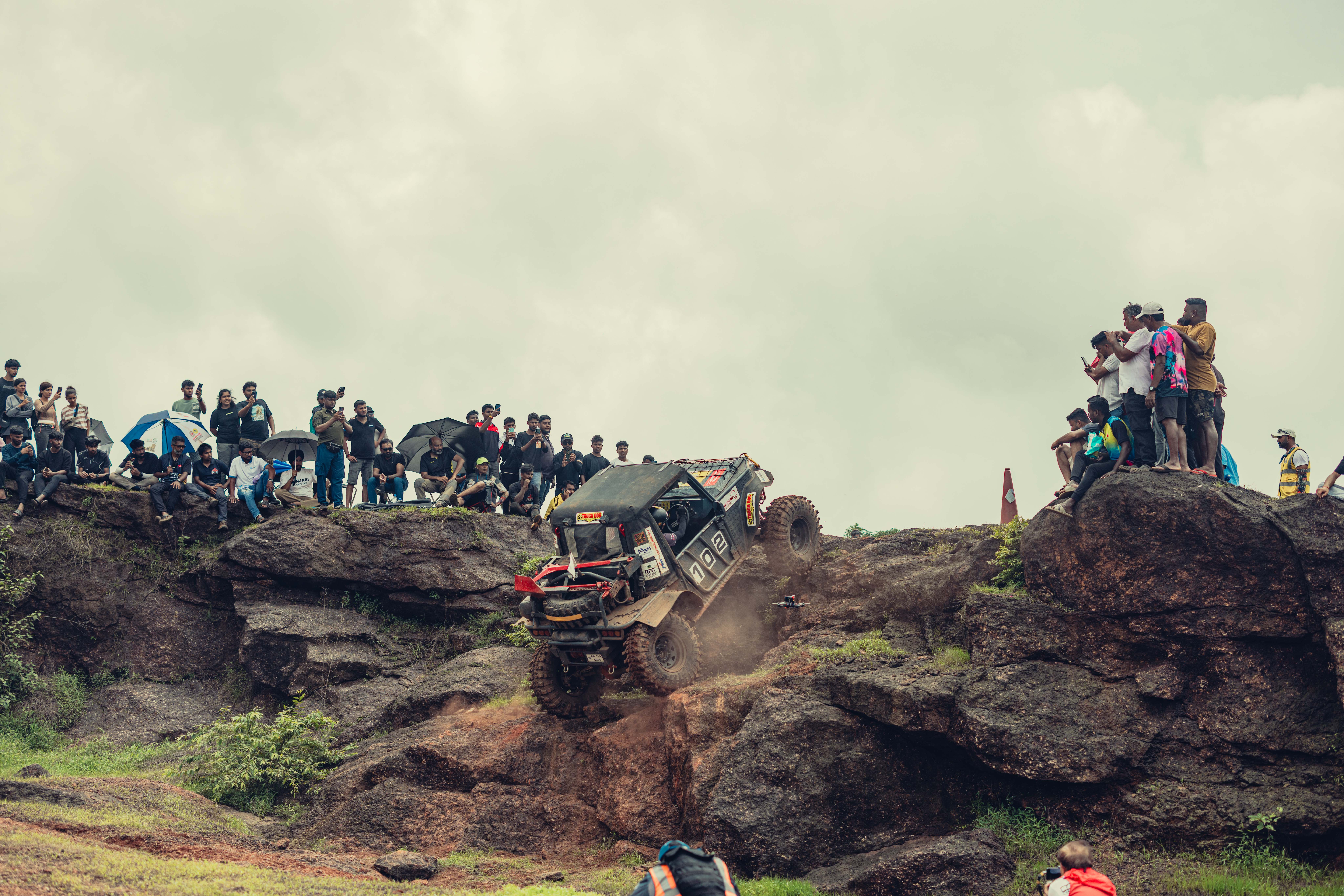
Malaysia is home to a large population that grew up on plantations, most having been in the pilot’s seat of a four-wheel drive at some point. They are not strangers to camping and off-roading. As a result, the ecosystem in Malaysia is far bigger, and it’s cheaper to run the mother event since they possess a set of conditions difficult to replicate in India. However, since Cougar Motorsport went big with the first edition of RFC India, they’ve chosen to maintain the same standard over the years – an expensive but rewarding decision. That reward takes the form of growth within the sport.
They [participants] are aspirational. They have access now to all the hardware that they would want to use. India is no longer deprived of technology or access from within itself and anywhere else in the world.
Off-roading in India has evolved greatly since the introduction of RFC. Drivers and teams are no longer content with having just one dabbling foot in the door. The upgrades and technology they’ve always wanted are now available to them, so it’s only natural that they keep upgrading their cars and rigs. It’s no longer an activity that eligible people take part in for fun — professionals are constantly pushing the limits of innovation and performance. They are now on par with the global stage.
In terms of engineering and innovation, Gupta recalled a specific design that stood out to him. A few years ago, the sport witnessed a novel idea in action: rear-wheel steering. The mechanism allows the rear wheels of the vehicle to turn in the opposite direction of the front at low speeds, thus reducing the turning circle and improving maneuverability. According to him, this was the first occurrence of this mechanism in India, and maybe even internationally. Fast-forward to the present and more than fifty percent of competitors have adopted rear-wheel steering, and it has made its way to Malaysia as well. He described it as “extremely unique, innovative, and something which was developed purely locally in India.”
He continued to express his appreciation for grassroots innovators by highlighting a workshop hailing from a small village in Punjab. This talented group was credited with the development of rear-wheel steering and building rigs that consistently find the podium, all without any technical training.
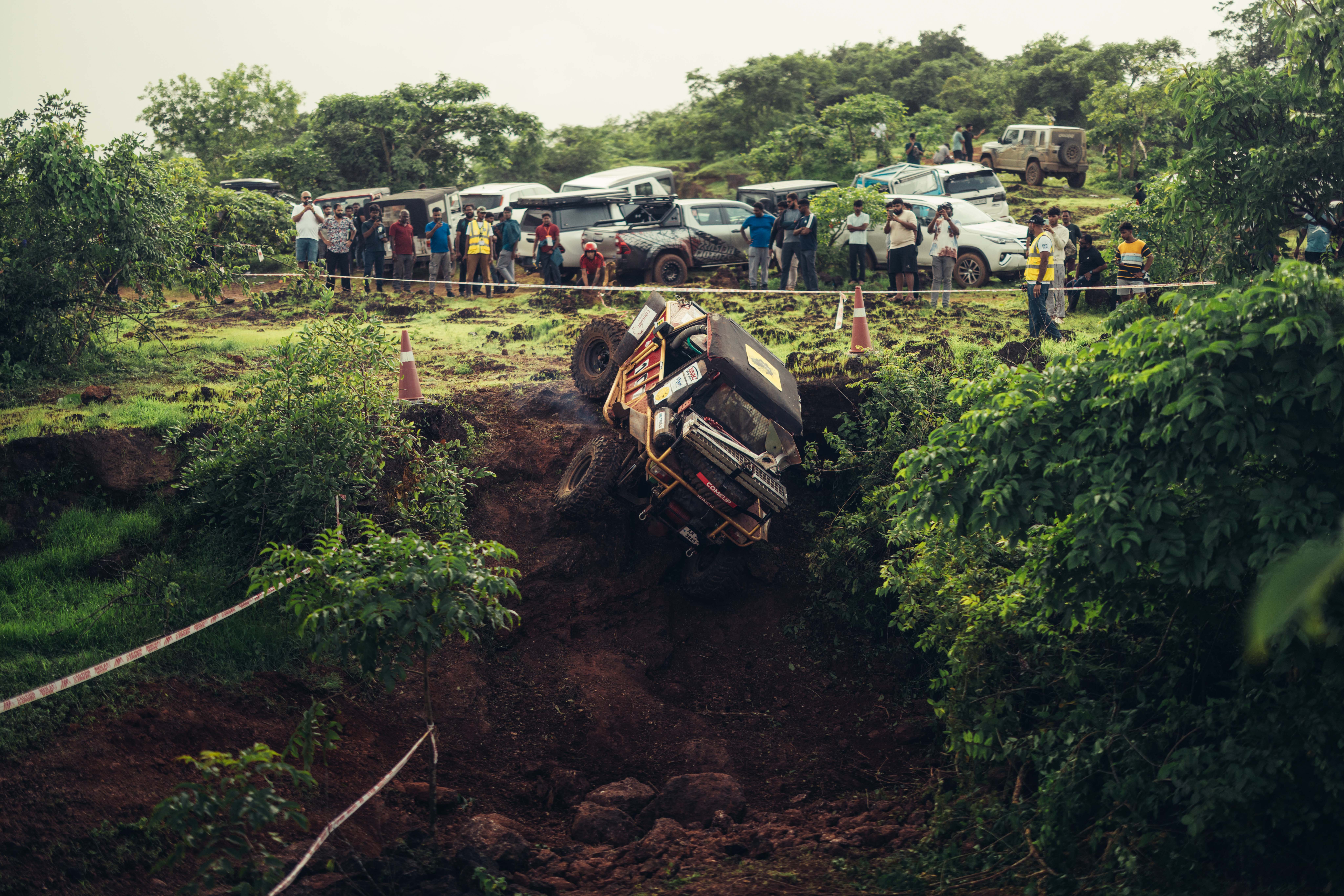
They [workshop employees] have no formal education — they're not engineers, but they're very hands-on, very practical. And they're on the ground in RFC India studying, watching what breaks, what needs to be improved. And they've even been to Malaysia to see the event.
Like its innovations, RFC India’s standards have also brought about a huge change. Before its introduction, off-roading events in India, both casual and competitive, were organised without adequate safety measures in place. Proper harnesses and roll cages were nowhere to be seen. Once RFC established itself in India, the developments that followed were satisfying to see. Events, competitions and even manufacturers began to match the standards for safety set by RFC India, as well as their rules and regulations. It changed the game for the entire off-roading ecosystem in India, from the vehicles themselves to the scoring systems.
Given the evidently community-driven nature of this sport, it should come as no surprise that the impact of RFC India extends beyond wheels on the ground. Over the years, it has given rise to a tight-knit group – a brotherhood – of passionate individuals. The people who come to RFC India aren’t just there for the event. They continue to stay involved in the community and connected with each other long after they’ve competed. They put in the effort to keep the relationships they’ve built alive, often making sure they find time to visit their friends in Goa. They’re a community of people with a deep respect for one another, always willing to share their insight and resources with their peers.
If we need help, wherever we are — whether we are in Shillong, Assam or south of India or north — all we need to remember is an RFC India participant who's come before, give him a call, and the rest of it falls in place.
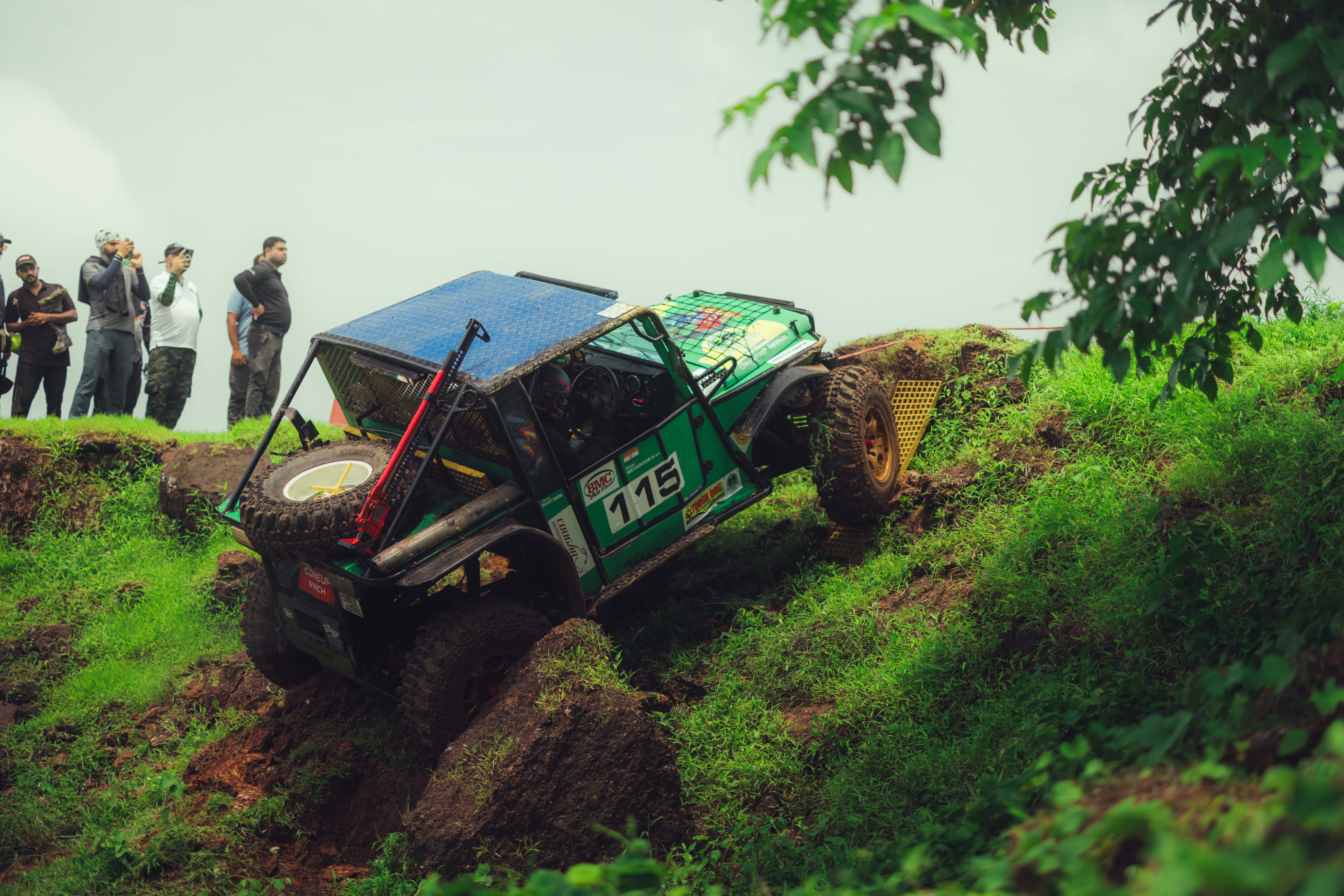
It became clear that this level of respect translates back to the sport as the Cougar Motorsport founder shared a very encouraging detail. Motorsport is a field riddled with result disputes, appeals and disagreements, so to hear that RFC India has never faced these issues was quite refreshing. He is proud of the reputation it has cultivated as a challenging but fair event.
Of course, RFC India still faces logistical and financial challenges. Gupta acknowledged this and encouraged a pragmatic perspective, but also expressed their commitment to growth. The team works hard to keep up with the times and introduce relevant changes in the form of new categories and formats. He touched on the possibility of introducing a truck category, motorbikes, and even expanding to include endurance formats.
In terms of scale, the 2025 edition was described as “transformational”, where they added new categories and went from around thirty participants to seventy teams across categories.
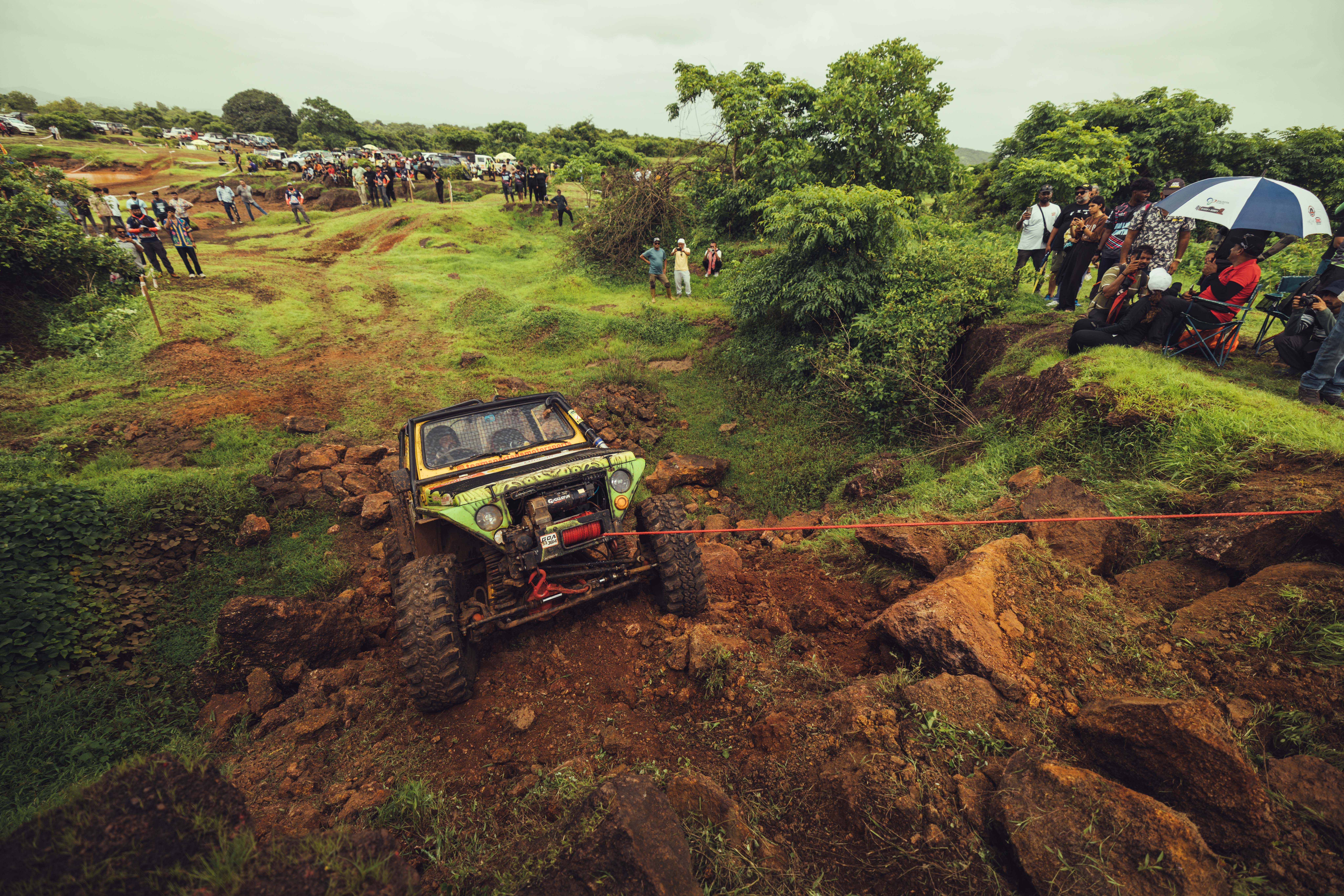
While they don’t plan on scaling up for this year, they are on the lookout for new venues and stages, and are even open to the possibility of organising multiple legs of the event in the future. They’re also excited to host newcomers, with Gupta saying, “What's always refreshing is newer participants, some first-timers who have been watching, studying, and now have decided to throw their hat in the ring.”
The 2026 edition of Rainforest Challenge India is scheduled to take place from the 26th of July to the 1st of August, and the organisers are looking forward to seeing fresh faces and innovative ideas.
While the future of the sport seems like it will stay within this dedicated community, it looks brighter than ever because it’s in the hands of people who care.
Image rights: Rainforest Challenge India