In 2018, I left Malaysia to study in Belfast. Growing up, I knew we hosted one of the world's largest sporting spectacles in our own backyard at the Sepang International Circuit.
I never understood the appeal until Red Bull brought their double-championship-winning RB8 to the streets of Belfast. Even though I had never watched a Formula 1 (F1) race in my life, curiosity got the better of me. I wanted to understand what the hype was all about.
Right from the get-go, the roar of the 2.4-litre V8 engine tearing through the streets and the smell of burnt rubber filled the air. In that moment, years of passing curiosity clicked into place. When I returned to Malaysia, I didn’t hesitate to reach out to a friend and long-time fan of the sport so I could watch my first race on live television.
The rest is history. From creating content to interacting with the local F1 community, I never thought I would finally get the chance to attend a race weekend on home soil. Now, the sport is returning to the Sepang International Circuit for the first time since the F1 circus left nine years ago.
But how did we get here?
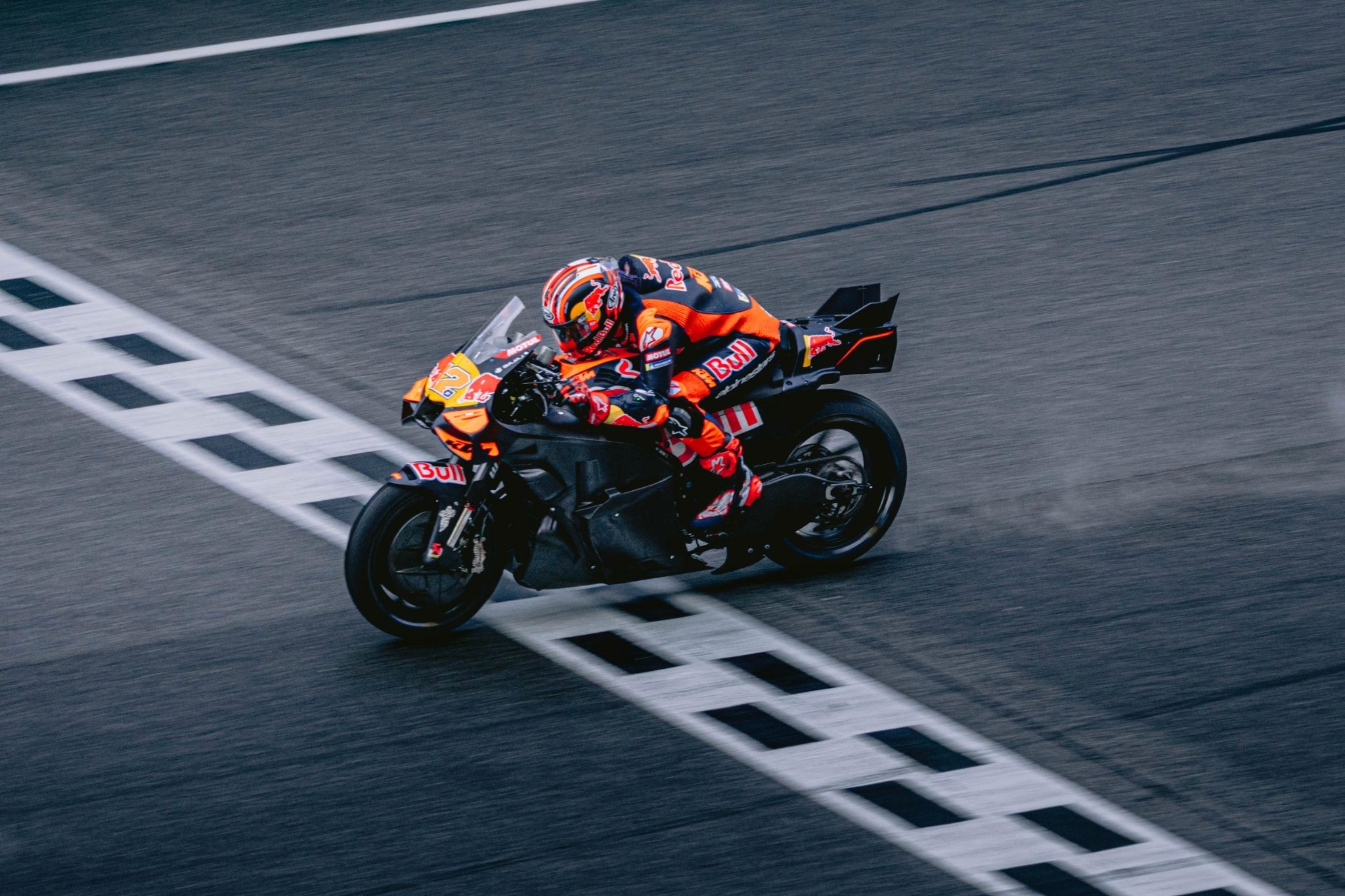
A photo from the 2026 MotoGP Pre-Season Test at Sepang. (Image Credit: Harith Hazmie / @theharisu)
Why did F1 leave Sepang?
For 19 years, Sepang hosted the Malaysian Grand Prix. Over time, dwindling ticket sales and low attendance made it increasingly difficult for organisers to justify the cost.
With the annual hosting fee ballooning to an estimated RM300 million (roughly US$74 million), ticket sales simply could not cover the expense. Sepang’s F1 events also relied heavily on corporate ticket quotas, creating an illusion of demand rather than cultivating an authentic grassroots fanbase.
By 2016, the race drew just 45,000 spectators to a venue built to hold 120,000. Faced with this massive financial drain, the Malaysian government negotiated to relinquish its hosting rights a year early. While attendance improved for the final race in 2017, pulling in roughly 80,000 spectators, it still fell far short of a sell-out.
The ‘Drive To Survive’ era
Even if you’ve never watched an F1 race from start to finish, you have likely seen clips from the immensely popular Netflix documentary series, Drive To Survive. Though the show's quality has dipped in recent seasons, Drive To Survive was instrumental in building my understanding of the sport and the people within the paddock.
The early seasons offered a chance to know the drivers beyond their names. You saw their struggles and their ambition to reach F1. Before the series, F1 broadcasting was highly technical, focusing heavily on engineering, lap times, and race strategy, which often alienated casual viewers.
Netflix shifted the lens to the human element. By highlighting the intense rivalries, the very real threat of losing a seat, and the unfiltered personalities of team principals, the show turned an elite engineering competition into character-driven storytelling.
It made the sport accessible even to an audience that was starting to get into the sport.
Plus, hard metrics give a clear picture of how the show reshaped the sport. The average age of an F1 viewer has dropped from 44 to 32. Data from early 2026 shows roughly 75% of new fans are female, and the global fanbase sits at over 830 million.
Back home, this global shift resonated loudly. The fandom evolved drastically from the corporate-heavy, elite-focused crowds of the early 2010s.
Today, Malaysian fans are younger, digitally engaged, and deeply invested in the personalities on the grid. Social media and content creators have built vibrant local communities, proving the passion for the sport is alive and well.
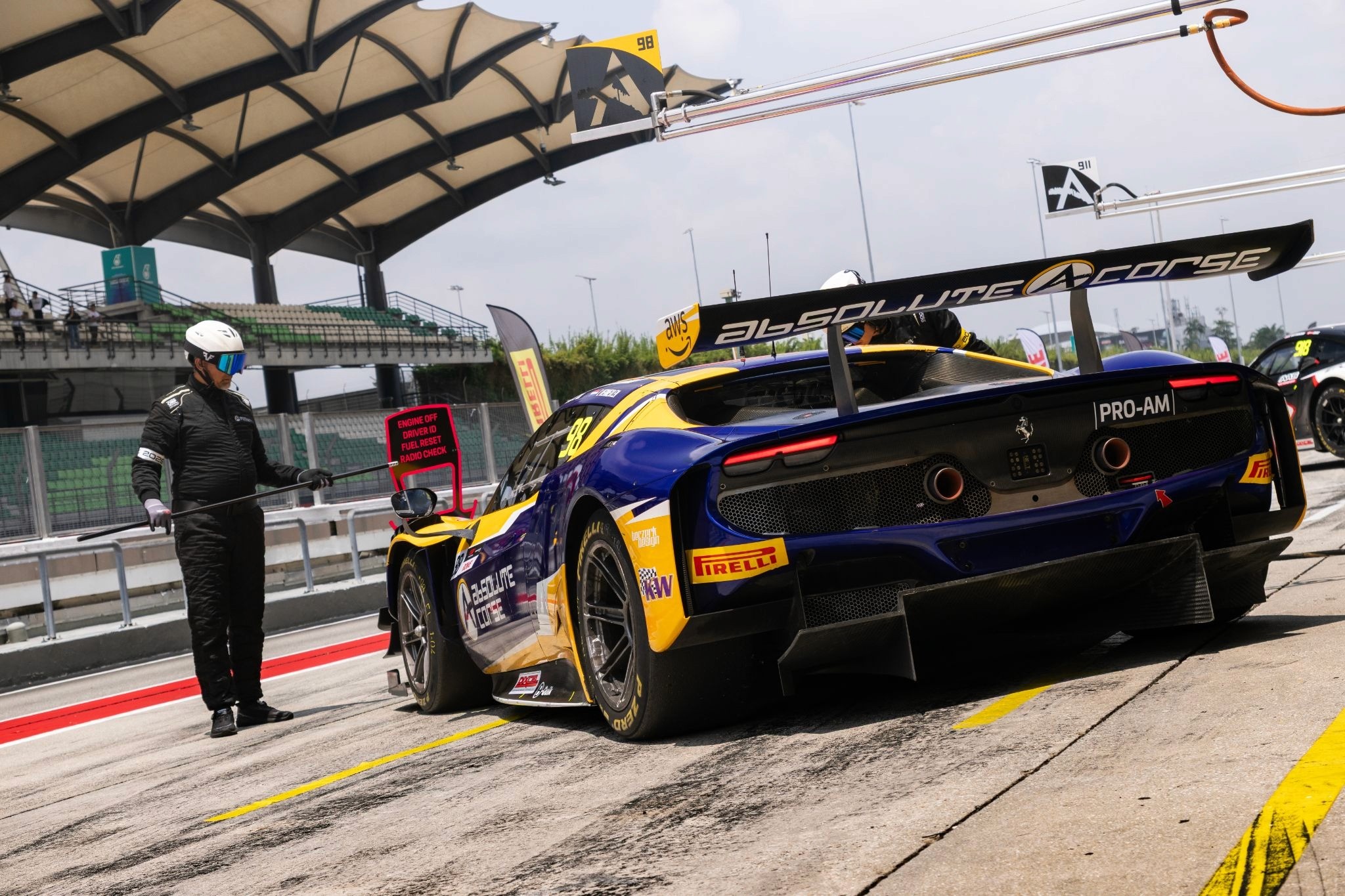
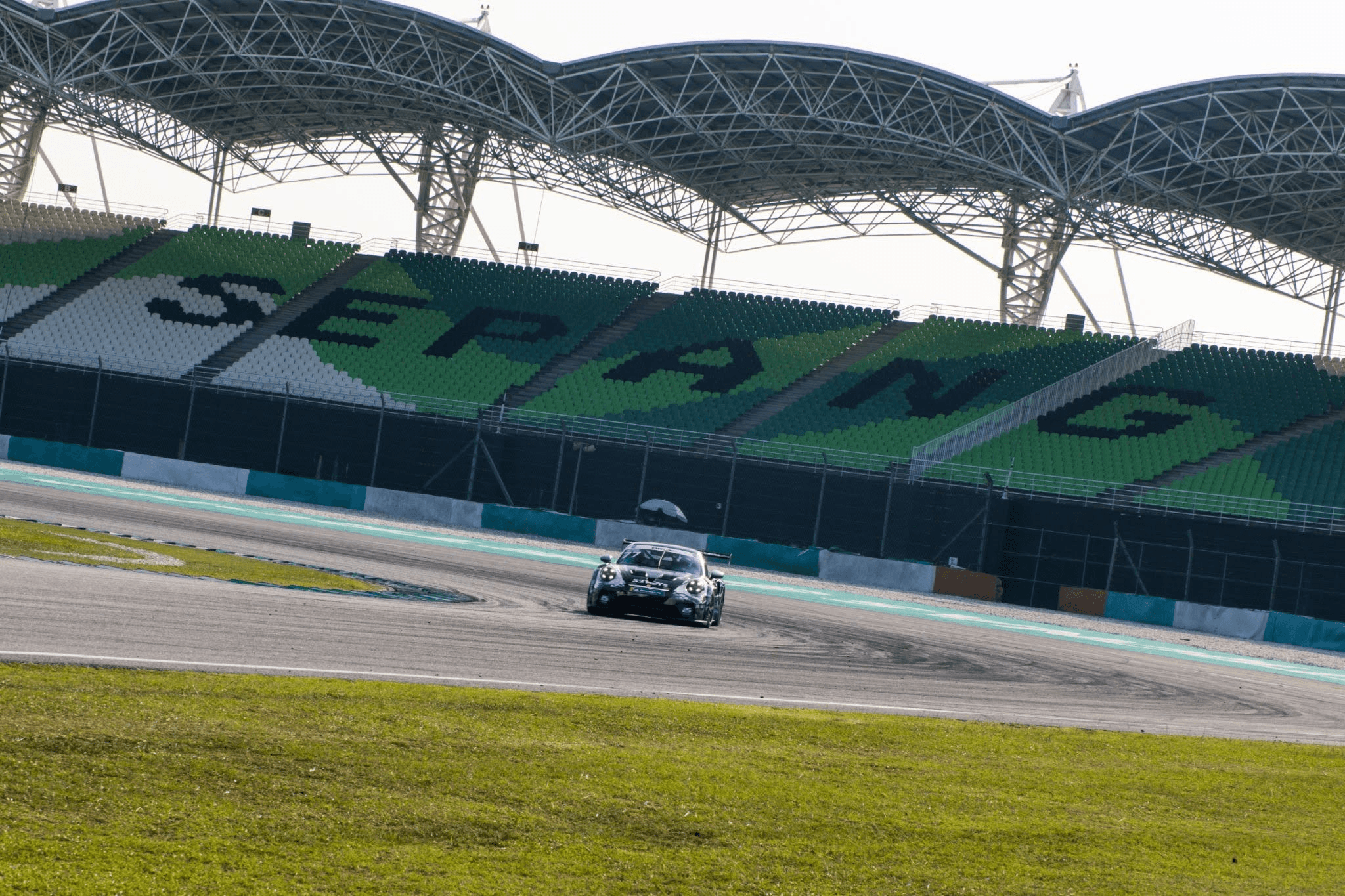
Car 98 in the pits, getting ready to head out for a practice session during GT World Challenge Asia in Sepang. (Image Credit: Yee Dong Lam /@Emiya_ptgy)
A One-in-a-Million chance
Rumours of F1 returning to the iconic venue circulated for years, but they were easily brushed off. After all, bringing Sepang back permanently simply cost too much. Former Youth and Sports Minister Hannah Yeoh projected the government would have to pay about RM300 million (US$74 million) annually to Liberty Media, the sport's commercial rights holder.
Over a typical three-to-five-year contract, Malaysia faced a staggering commitment of around RM1.5 billion (US$370 million). Weighing the return on investment, Malaysia opted to extend its long-term deal with MotoGP at a fraction of the price.
However, the ongoing situation in the Middle East proved to be an unexpected catalyst for Sepang’s return.
Escalating tensions had already forced the cancellation of the April races in Bahrain and Saudi Arabia, leaving a massive five-week void in the calendar. As hostilities continue, F1 also risked losing its upcoming rounds in Qatar and Abu Dhabi. Determined to keep its race title and commercial presence alive despite the regional conflict, Bahrain agreed to absorb the substantial upfront payment to the FIA.
This created a highly unusual but brilliant compromise: Malaysia provides the circuit, and Bahrain provides the cash.
The Home For Malaysian Grassroots Racing
While F1’s return is a major win, Sepang's true legacy over the last nine years lies in its transformation. Freed from the demands of a permanent F1 calendar slot, the track became a staple for grassroots initiatives, making it the ideal incubator for the next generation of talent.
For example, the Malaysia Festival of Speed (MFOS) champions youth entry through karting sprints, Gymkhanas, and esports. Here, top drivers earn the chance to represent the country at the Asia Pacific Motorsport Championship.
On the two-wheel front, the SIC Ohvale Junior Championship nurtures riders as young as eight, building a realistic talent pipeline for global stages. This pipeline is more vital than ever now that Malaysia has extended its contract to host MotoGP at Sepang until 2031.
That doesn't mean elite racing has abandoned the venue. In August, the circuit hosted the Porsche Carrera Cup Asia, bringing premier one-make sports car racing back to Malaysia.
For those who prefer endurance over sprints, the Sepang 1000km (S1K) has become a staple of the local calendar. Instead of high-budget factory efforts, this gruelling 111-lap battle is contested by local workshops and privateers driving modified production cars like the Proton Iriz or Suzuki Swift.

A photo from the K CAR Global Sepang 24 Hours Endurance 2025 from Turn 1 with the main straight in the background. (Image Credit: Yee Dong Lam / @Emiya_ptgy)
Will Sepang Permanently Return To The F1 Calendar?
All in all, Sepang is more than just an iconic venue tied to the pinnacle of motorsport. Its grassroots initiatives are what give the circuit its soul. As we welcome the F1 paddock back to Malaysia, it is worth remembering that local motorsport never died when the single-seater championship left.
It just shifted gears, becoming more inclusive, community-driven, and accessible than ever. In fact, for many of these local series, grandstand access is completely free or costs less than a movie ticket, a far cry from the premium pricing of international events.
If we want this unexpected one-off F1 return to transform into a permanent spot on the calendar, the best thing fans can do is show up. The government and promoters need undeniable proof of sustained local interest.
Start by buying a ticket for the upcoming F1 race, but don't stop there. Head down to Sepang for the next race weekend, support our local teams in MotoGP, or bring a friend to experience the grassroots energy of the MFOS.
Cover Image credits: Yee Dong Lam / @Emiya_ptgy