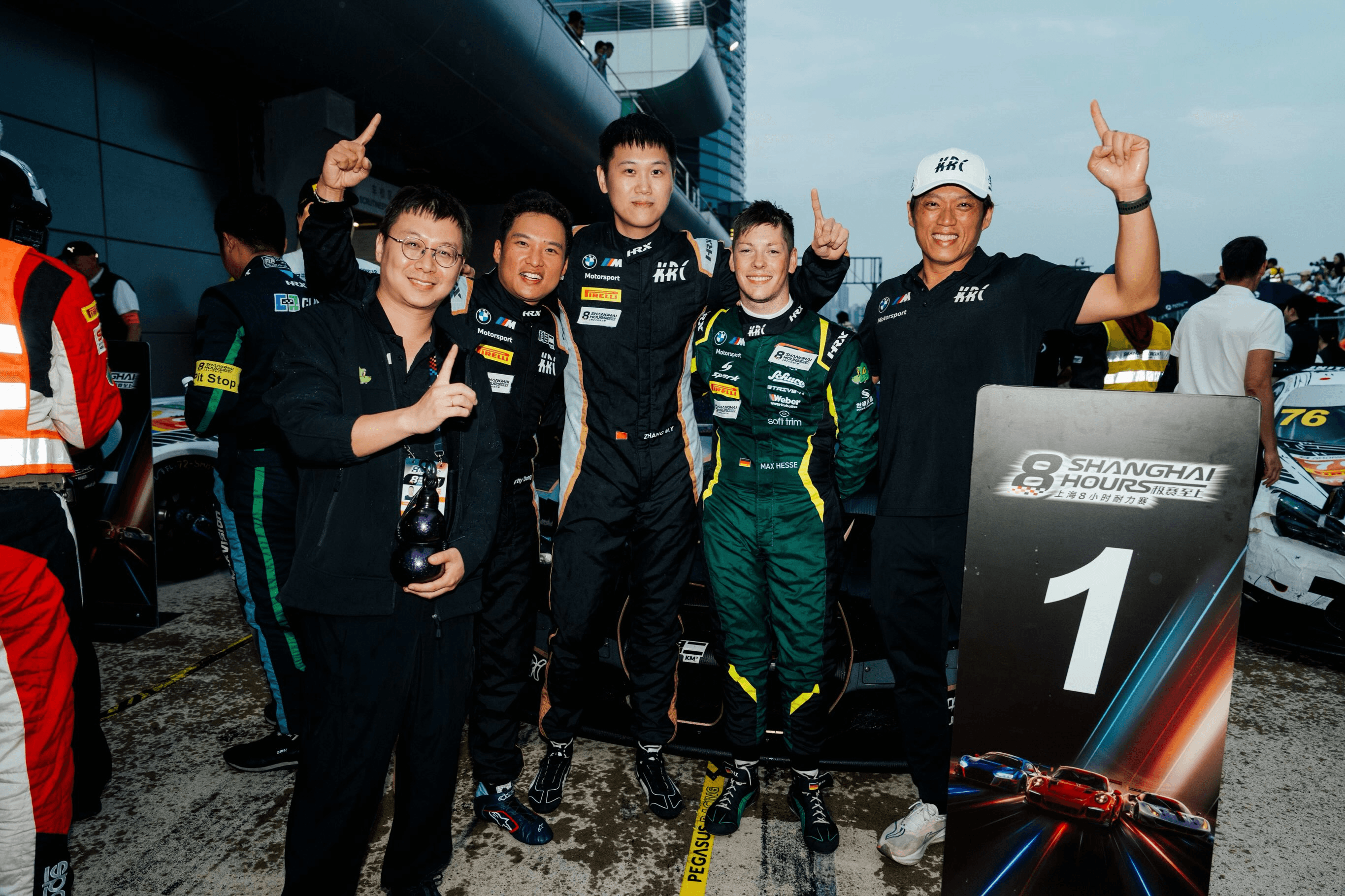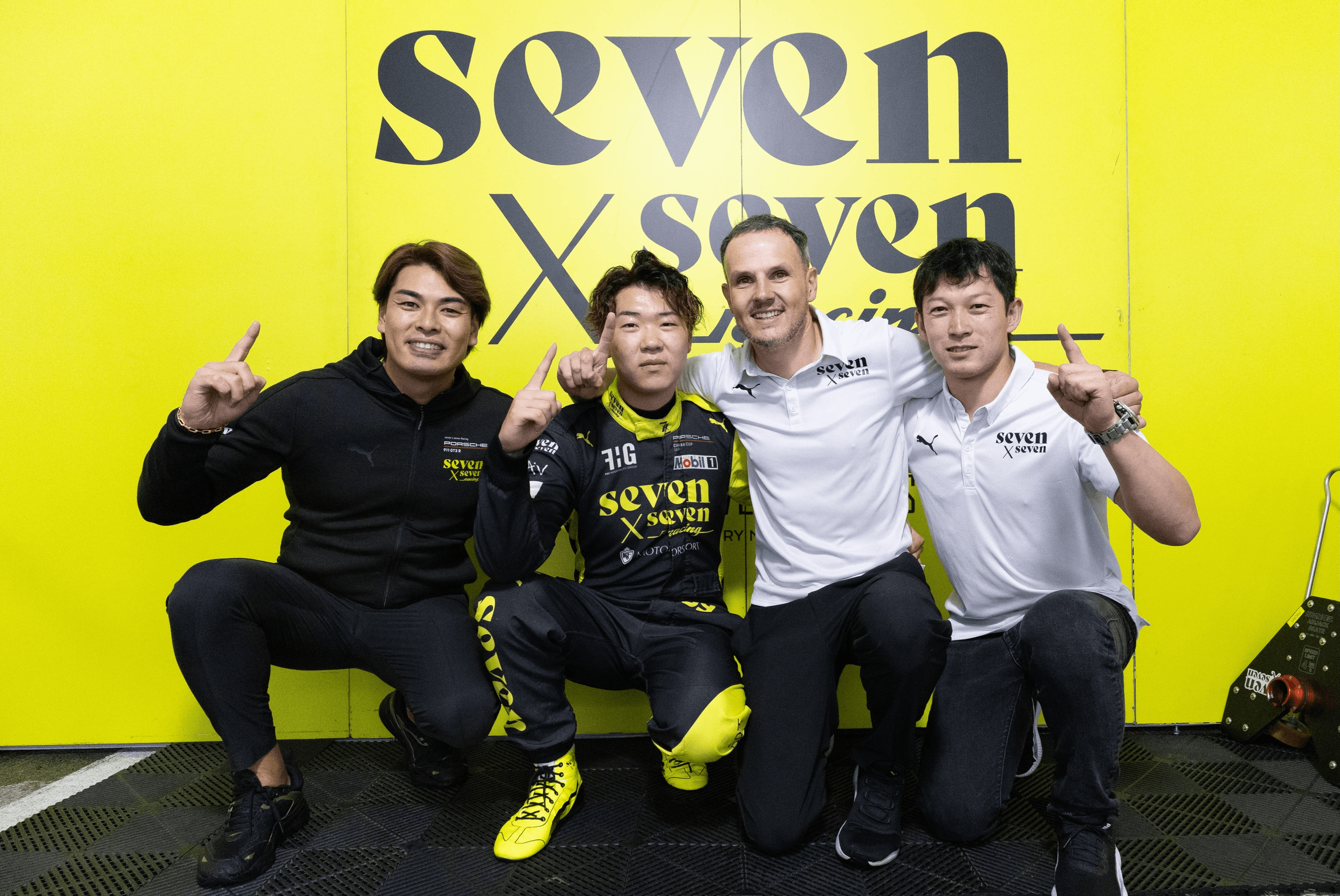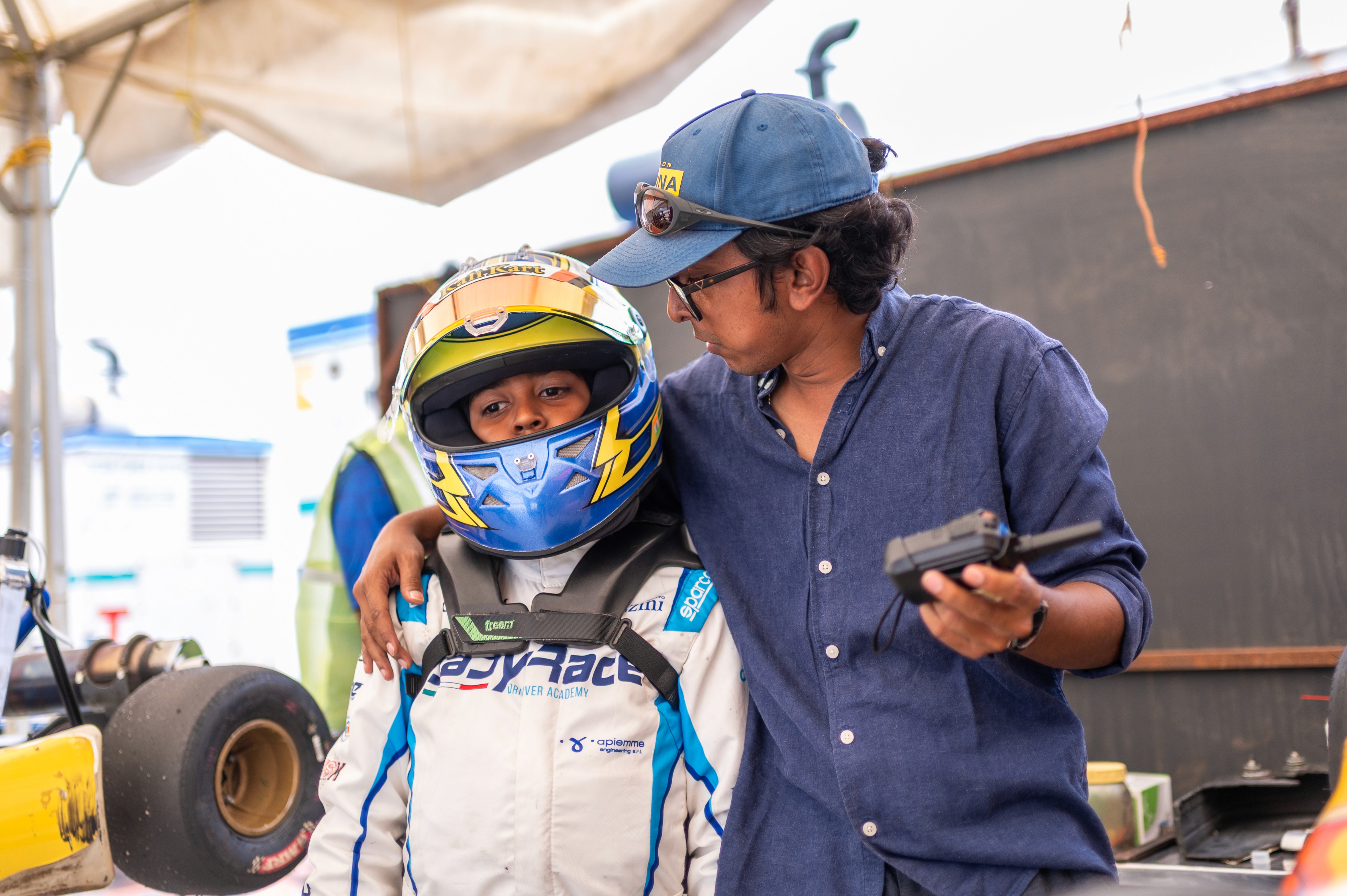
Ali YH's motorsport journey began on the karting tracks of Bengaluru in 2009. Over the years, he progressed from racer to coach, team manager, and entrepreneur, eventually founding Kartkrew Motorsports (KKM) with a focus on driver development and grassroots racing.
Today, as Team Principal of KKM, he oversees everything from driver training and technical operations to championship logistics and international competition. In conversation with Hairpin Media, he discussed building a sustainable pathway for young Indian drivers, the realities of running a motorsport team, and why getting the foundations right at the grassroots level is critical for the future of the sport.
Hairpin Media: Could you briefly introduce yourself and share your journey within motorsport?
Ali YH: First of all, thank you for having me. My name is Ali and I joined motorsport in 2009 with karting at Ezone in Bangalore and initially I got trained by Chetan Shivram and Nikhil Kashyap. … [A]fter two sessions, I went into the Sahara Force India "One From A Billion" Hunt, and that's where my journey in motorsport, especially in karting, got started.
I moved on to the Red Bull Kart Fight ... and got myself into Rotax with the team back in 2011, which was called Indian Karting. From there, my Rotax journey started.
So, I was training and racing for [Indian Karting] in the JK Tyre National Karting Championship. ... I did a couple of seasons of the National Championship with Indian Karting and then Dark Don [Racing]. During this period, I transitioned into saloon cars through the Toyota Etios Motor Racing Championship and later the Mercedes-Benz Young Star Driver Programme.
Up until 2014, there was a lot of racing in the National Championships, both in karts and in cars. Alongside all of this, I did a lot of testing with these cars. …
Pursuing motorsport outside India was very limited to people who knew what to do. There are people who guide you in the right direction, and there are people who don't. I was one of those people who was guided right at times and not guided right at other times.
What I felt, because I saw a lot of incoming drivers, was that there was an opportunity there. ... So I decided to launch a company in 2014.
I independently trained drivers at the four-stroke level and then developed them at the two-stroke level, taking them into the National Championships, placing them in the right places, and making sure they got the right equipment, the right coaching, and the right data. …
I also worked extensively on data for these drivers and helped place them outside the country while creating a network for my company across India, the Asian region, and parts of Europe and the UAE.
I went on to train approximately 2,800 drivers, including people from corporate programmes and enthusiasts. … There were also some saloon car programmes, but most of the work was on the ground with school and college students. In between, we did a lot of local events to attract more people into motorsport and give them a feel for what motorsport is like at a grassroots championship level. …
In 2019, I decided it was time to take the team into the Nationals and compete in the National Championship as a team. … Unfortunately, COVID hit in 2020, and the plan got slightly delayed. The 2020 National Championship actually took place in 2021, so we made our debut then.
We entered the Rotax Championship with a woman driver for the first time. … We trained Vidyali, and she was the driver KKM started with in the Nationals. We placed quite decently, finishing in the top eight of the championship. We then pushed into the top seven, and she went on to receive the Best Upcoming Female Driver award.
From there, the focus was on growing the team. … After the Nationals, we expanded from one driver to three drivers, and then from three to 10-15 drivers. …
I stuck to karting because I really like it. It's a grassroots championship, and there are a lot of young drivers from the age of four onwards who need a proper development path from India to the National Championship, then to the Asian Championship, and eventually to the World Championship.
So we created that ecosystem: a school where you join, have access to the Nationals, have access to Asia, have access to WSK through one channel, and have the network in place to help you perform. … We expanded the team, competed in the Nationals, and then moved on to Asia Max as an Indian team.
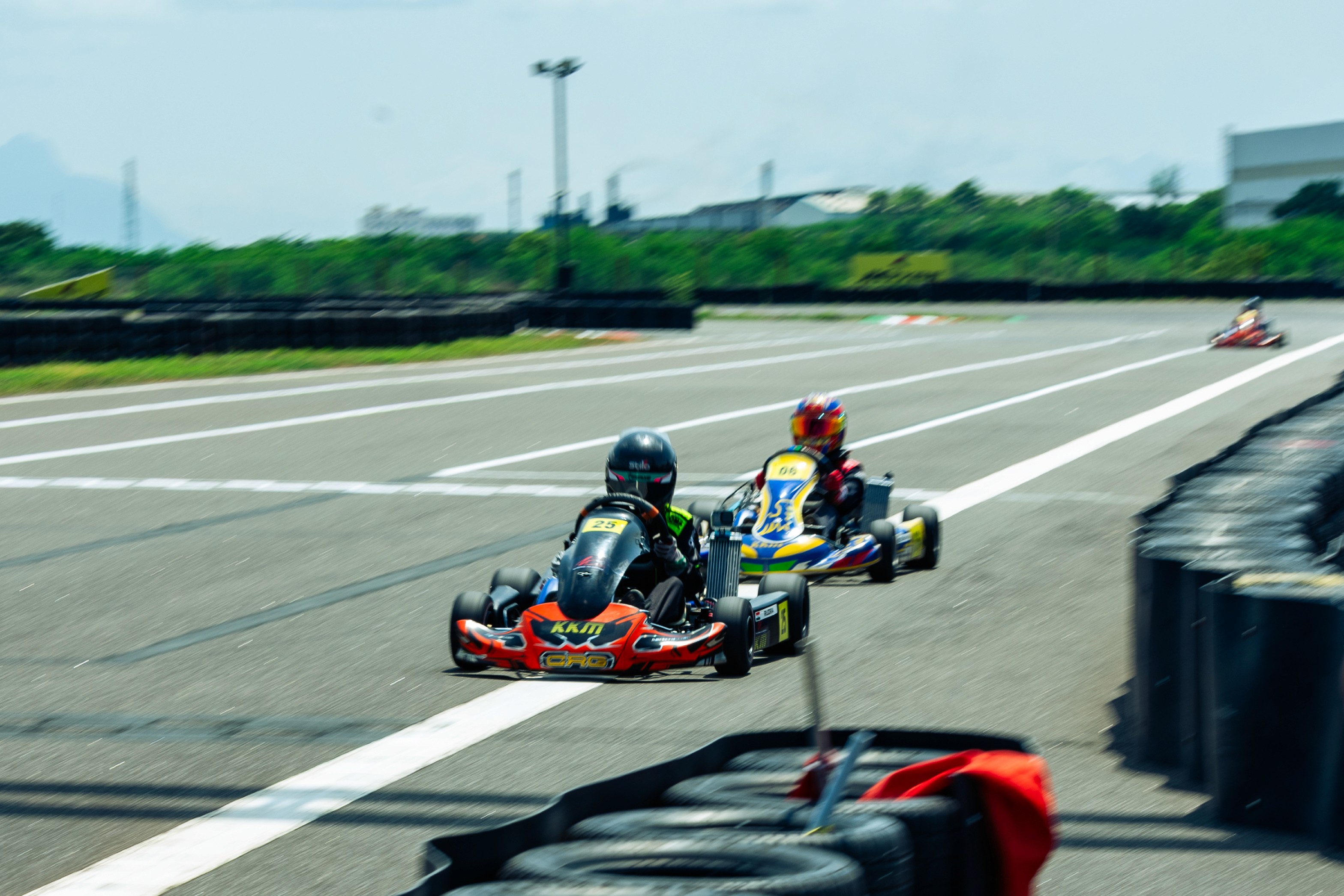
I think there was a team about 18-19 years earlier that went and did Asia Max with Indian mechanics. After that gap of nearly 20 years, we entered the Asian Championship with our own karts and Indian mechanics. We competed in Asia Max and were running in the top three of the championship until we had an accident towards the end, and things turned around. But eventually, in the Rookie and Thai RMC classes, we finished on the podium, and it was a good start for us last year.
So this has been the journey. We are expanding, and hopefully, in a couple of years, we will have KKM operating in two or three different countries as a full-fledged team. We are working on that, and let's see how it goes.
HM: What does your current role entail, and what are your core areas of responsibility?
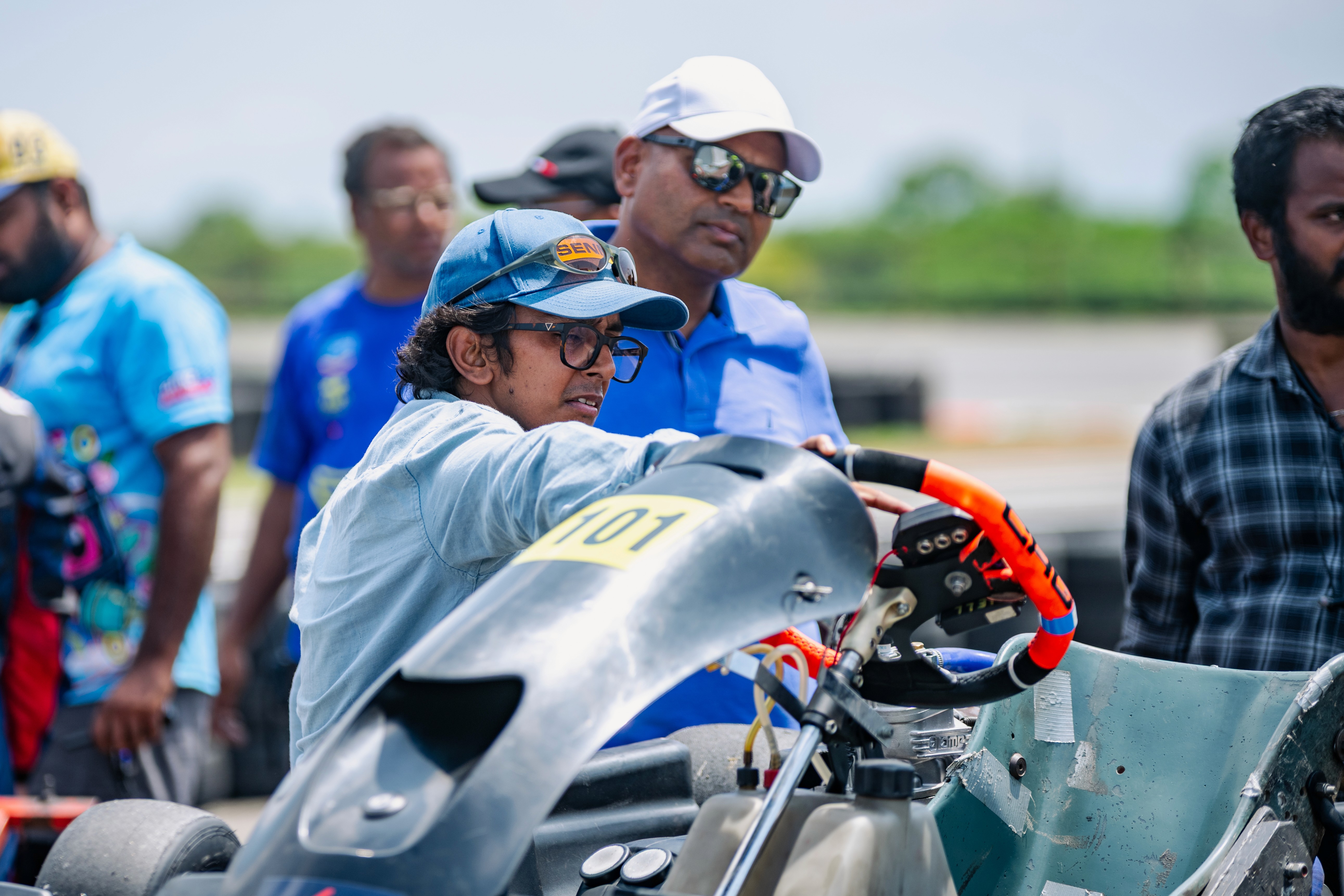
AYH: Currently, I am the Team Principal of KartKrew. I lead the team during race weekends [... and] basically oversee the entire operation.
We have members of the team handling different responsibilities, and I do quality control while also training a few drivers. During the season, we make engine decisions, chassis decisions, and manufacturer decisions regarding what we are going to run in the championship. ... At the same time, we compete in multiple championships in the same year [... s]o I'm coordinating all [of them] when it comes to equipment, engines, driver training, logistics, data, and who is getting what and where.
Mainly, if you're the Team Principal, it comes down to troubleshooting problems. During the pre-season, you can decide what the plan is going to be for the next year. Once you put a plan in place, execution becomes the key after that. ... The idea behind starting the team was not only to cater to rich drivers. ... [It] was to try and give drivers as much performance as possible within one standard package. Obviously, for drivers who want the maximum level of performance, we have another package for that. …
Another major responsibility is that parents put their child's career in your hands. It becomes a moral responsibility for someone with more than 15 years of experience to guide them in the right way and make sure they are getting the right opportunities in the right championships so that they have the right exposure.
Motorsport, honestly, is about the amount of time and opportunity you have. ... The idea is to transition [the drivers] as quickly as possible. I don't keep drivers for three, four, or five years. The idea is to fast-track their progress, move them forward as quickly as possible, and make sure they are seen. …
Sometimes you have to counsel drivers when they're going through a difficult period and then train them. There are also some drivers who need more attention. We have never backed off from training drivers with autism or ADHD. It becomes a little more difficult or challenging, but we decided that we were going to do it, and we continue to work with these drivers as well. …
The team is more focused on bringing new drivers into the sport. If you really want to win a championship, I can hire somebody and they're going to do the job for me. The idea is to develop someone new and make them capable of competing against people who have 10-plus years of experience. That is what we are doing. And, by God's grace, we're doing well. …
We also ended up achieving a milestone that I had set for myself 10 years ago. This year, we took the team into WSK. Our drivers were probably the first drivers from India to be signed by a factory this year, and we competed in the WSK Super Master Series and the WSK Euro Series. We finally set foot there. The idea now is to expand further into WSK and take it forward from there.
HM: What does a typical race weekend look like for you?
AYH: During a race weekend, you have to be prepared for anything and everything. A normal day starts at around 7 a.m. when you get to the track. You have to make sure that whatever sessions are planned for that day, the engines are ready and prepared, the karts are ready, and everything is in place.
Most of the job is troubleshooting problems when they arise. It's not like a problem appears and you can spend the whole day solving it. A problem comes up, and you need to have the knowledge to identify it and solve it within that time frame. …
[D]uring a race weekend, there is scrutiny. You deal with the federation, you deal with the organisers, and if there is a protest, you deal with the protest. Then there are crashes. Once a crash happens, the kart can come back into the pit completely damaged, and you might only have 30–40 minutes before the next session.
The idea is to rely on teamwork, put everything back together, make sure the kart is ready, and send the driver back out so that the driver is not at a loss. Basically, you have no time to breathe during a race weekend. You have to be ready for anything that gets thrown at you.
HM: What unique challenges or experiences have you encountered as an Indian professional in motorsport?
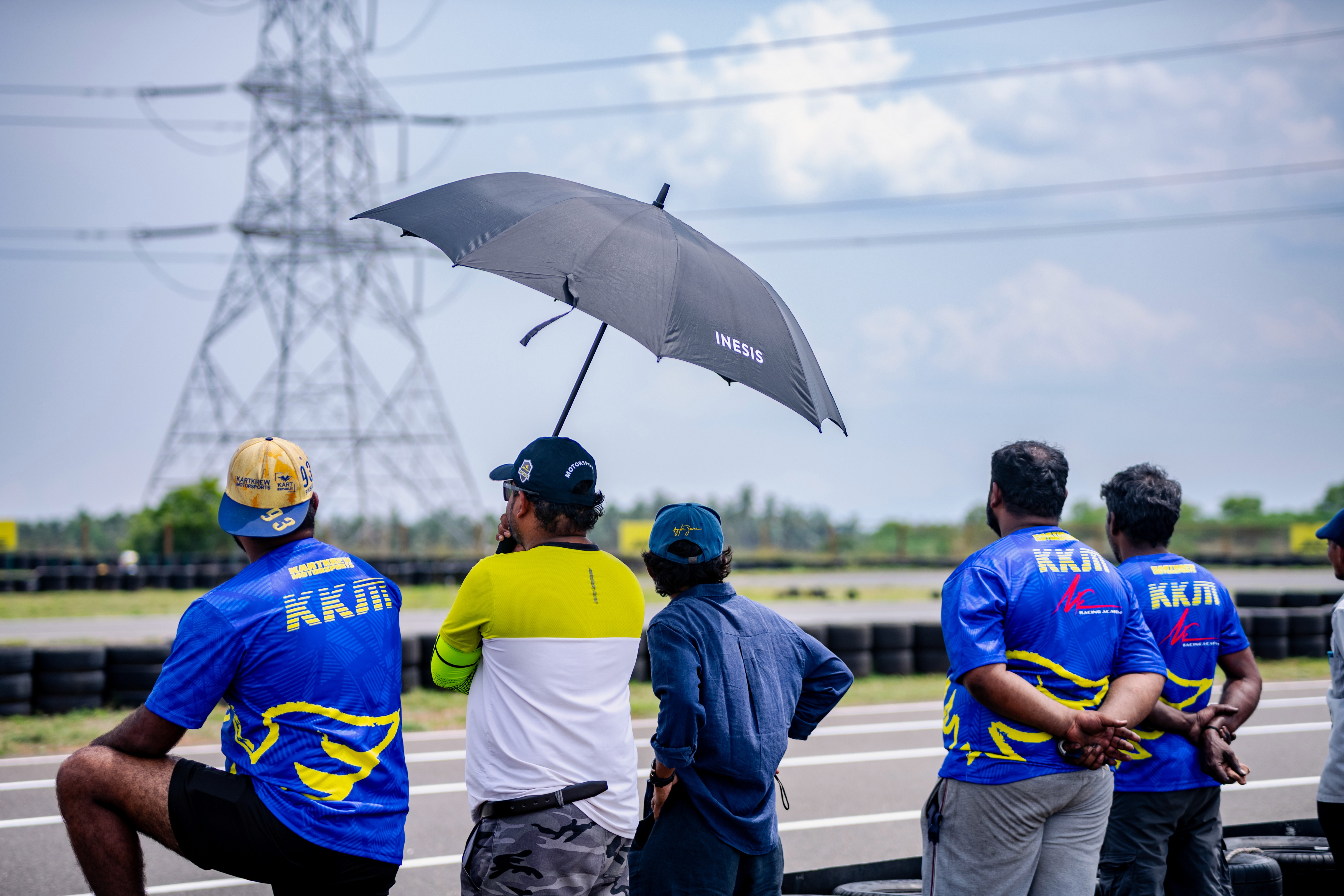
AYH: That's a very tricky question. I would probably say there is a lot of back-end politics sometimes, which is not really necessary. Apart from that, most of the other challenges are related to logistics.
When it comes to a race weekend, something might go wrong on a Monday and you have to import a certain component during that same week because you don't have a replacement. Logistics then becomes a challenge.
A lot of this also comes into play when a driver is developing. Someone might start a championship at the back of the grid, then move into the midfield, and eventually reach a point where they stagnate. ... The gap between a 54[-second lap] and a 55[-second lap] can be so subtle that, even though the driver is going fast, they can't figure out where the time is being lost because it comes down to a combination of small mistakes. At that point, the driver can go through what I would call a psychological blockage. …
Like I said, it's a combination of things. You don't know what is going to get thrown at you during a race weekend apart from the work you already have to do. You'll have to deal with it, deal with it within a specific time frame, and then move on to the next problem. The faster you deal with it, the faster you're going to move.
HM: What's a common misconception about running a motorsport team?
AYH: I would say there has been a rise in new teams coming into the sport, which is a good thing.
But the thing is, the title of Team Principal is not just a word. You have to understand that there are people who trust you and put their child's career in your hands. …
What happens in motorsport, unlike most other sports, is that once you lose time, you can't get it back. So it's important to do things the right way. It's also a lot of responsibility because it's like school. When you send your kids to school, you expect them to learn certain things. Racing is no different.
Because it is a dangerous sport, maintaining safety and doing things the right way is even more important. At least from my perspective, I would say to people who are getting into the sport: please consult people who have already been there and are already doing it. All of us are there to help people who are getting into the sport. That would be my advice.
HM: What advice would you give to someone looking to build a career in motorsport or start a team of their own?
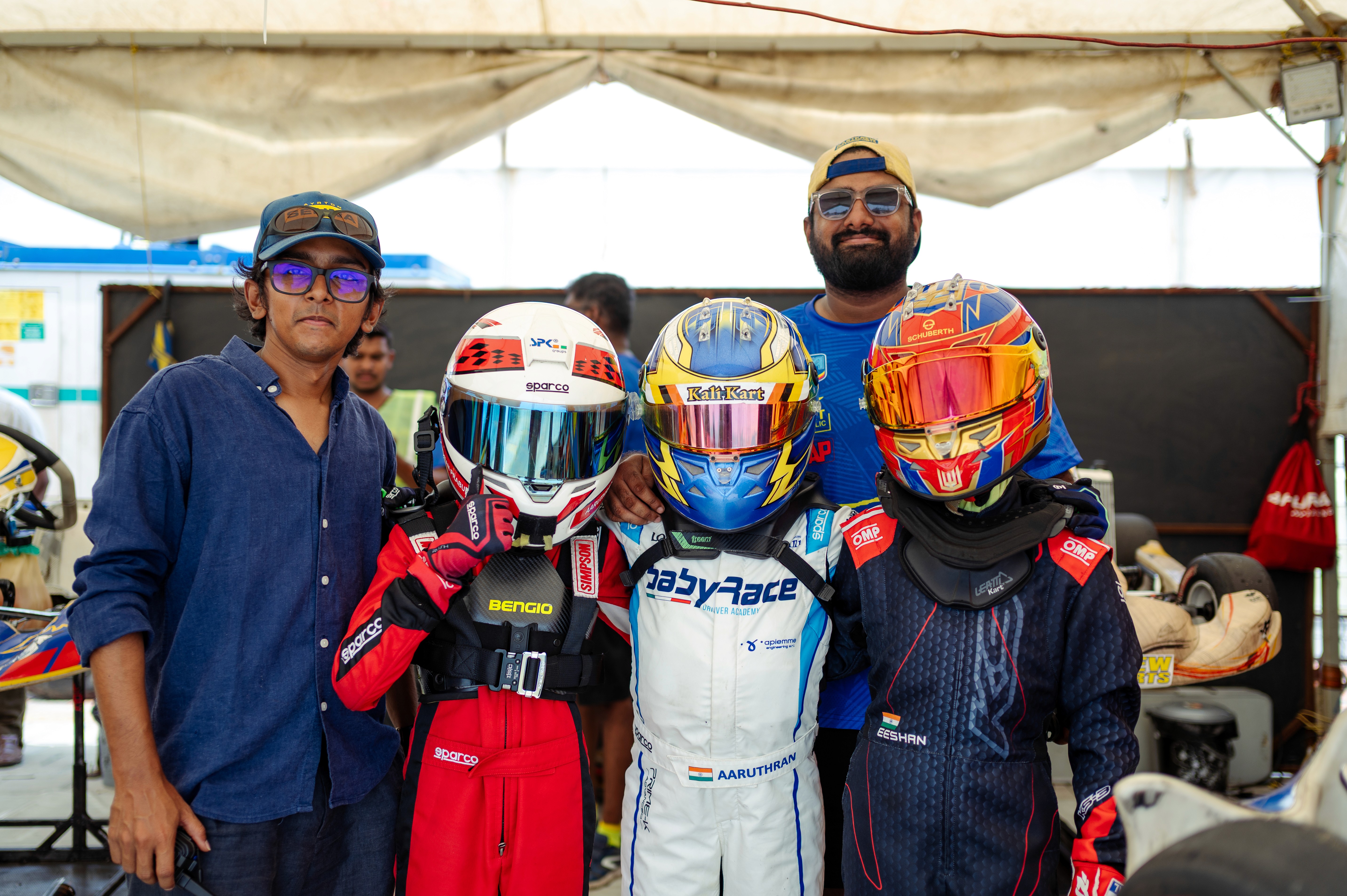
AYH: I would say that if you're a racing driver, it becomes a little easier because you understand certain intricacies of being on track, and you'll be able to communicate those things much better.
If you want to start a team and you're not from a racing background, then getting the right equipment in place is important. You also need to make sure you have the right technical team and somebody from a motorsport background who understands karting and can lead that team. …
What happens is that if you teach a young kid something the wrong way, especially a 7- or 8-year-old, because they are very visual learners, they begin to think that the wrong way is the right way.
Then, when you go racing abroad and somebody tells the driver, "No, what you're doing is wrong," that way of doing things is already in their photographic memory. To undo and redo that process is very difficult, especially with kids. …
So it is better to work with somebody who knows it and slog alongside them. That's the best way to learn, I would say. Get your hands dirty, because once you've been there and done that, explaining it becomes easier.
—
Throughout the conversation, Ali repeatedly returned to the idea of development. Not just developing faster drivers, but building the systems, knowledge, and opportunities needed to help them progress. Whether discussing grassroots karting, international competition, or the day-to-day realities of running a team, his focus remained on creating pathways that allow young talent to move forward.
It is a philosophy that has shaped Kartkrew Motorsports's growth over the past decade. For Ali, success is measured not only by results but by the number of drivers given the right guidance, equipment, and opportunities at the right time. And if there is one lesson that runs through his journey, it is that motorsport rewards those who are willing to learn, adapt, and put in the work, because in racing, lost time is often the one thing you can never get back.
Images by Gopinath Venugopal